Shin tattoos are becoming more popular among men who want bold, eye-catching body art. The shin area gives a unique vertical space that works well for detailed designs, symbols, and statement pieces. But before getting inked, it’s important to understand what shin tattoos involve—especially when it comes to pain, design choices, and aftercare.
If you’re a beginner and thinking about getting your first shin tattoo, this guide will help you make a smart and confident decision.
Why Choose Shin Tattoos?
The shin (front part of your lower leg) is a great spot for tattoos because of its shape and visibility. It allows for long, vertical designs that stand out.
Benefits of Shin Tattoos:
- Highly visible – Perfect if you want to show off your tattoo
- Unique placement – Not as common as arms or chest
- Great for vertical designs – Ideal for long patterns or symbols
- Less skin stretching – Tattoos here usually age well
Many men choose shin tattoos to express strength, personality, or personal stories.
Popular Shin Tattoo Styles for Men
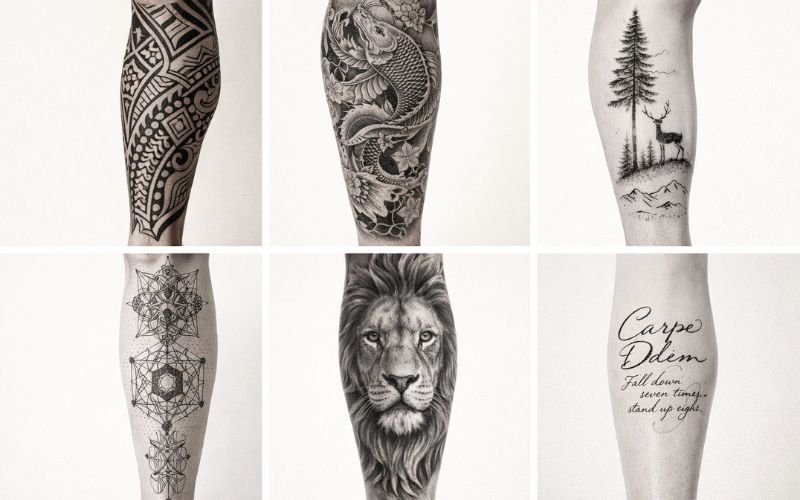
Choosing the right design is one of the most important parts of getting a shin tattoo. Your tattoo should match your personality, meaning, and also fit the natural shape of the shin. Because the shin is a narrow, vertical, and bony area, certain styles flow better than others and look more natural on the leg.
1. Tribal Designs
Tribal tattoos are bold, sharp, and deeply rooted in cultural symbolism. They are often used to represent strength, heritage, protection, and warrior energy.
Example: Black ink tribal patterns that wrap around the shin and slightly extend toward the calf for a balanced flow.
2. Japanese Irezumi & Neo-Traditional Tattoos
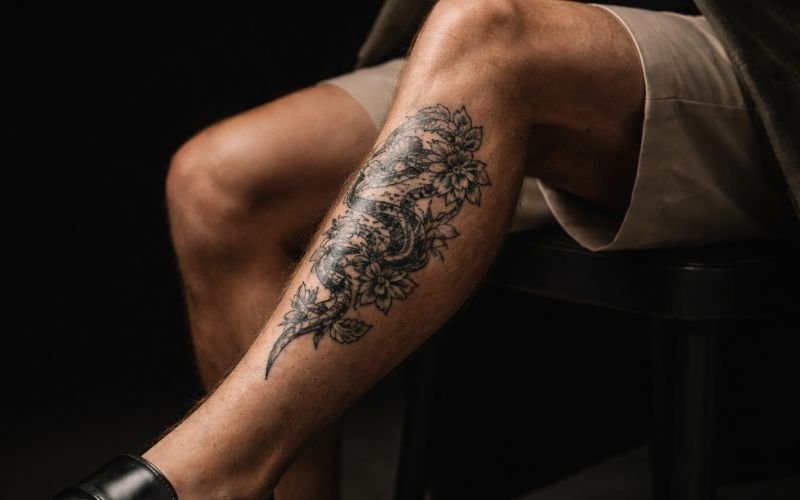
Japanese-style tattoos (Irezumi) are highly detailed and storytelling-based. The shin’s vertical shape is perfect for designs like a climbing koi fish (Koi Fish) or a dragon (Ryu) moving upward.
Because the shin bone is narrow, the best designs create a sense of flow and movement, often wrapping slightly toward the calf. This gives the tattoo a more 3D, dynamic appearance instead of looking flat.
Example: A dragon running upward along the shin, symbolizing power, strength, and protection.
3. Minimalist Tattoos
Minimalist tattoos focus on simplicity and clean design. They work well on the shin if you prefer something subtle and modern.
Example: Small symbols, fine-line shapes, or meaningful words placed vertically for a clean aesthetic.
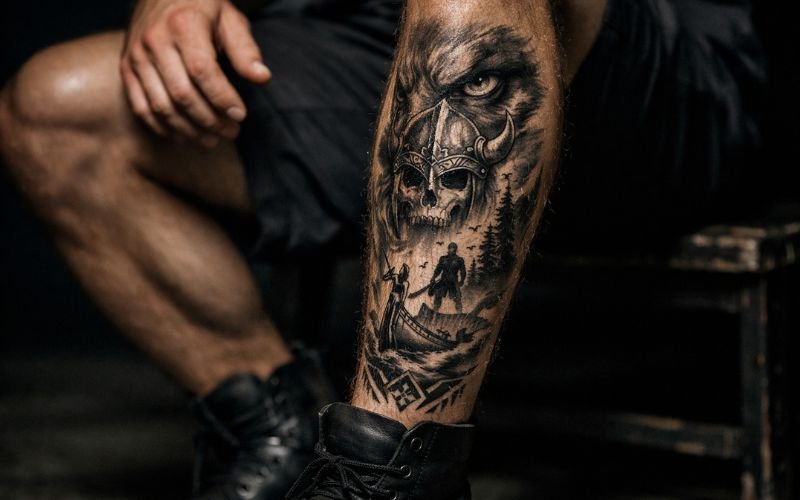
4. Realistic Tattoos
Realistic tattoos are highly detailed designs that look like real-life images or photographs. These require a skilled and experienced tattoo artist due to the level of shading and precision needed.
Example: Portraits, animal faces like lions or wolves, or skull designs placed along the shin for a bold visual impact.
5. Geometric & Blackwork Patterns
Geometric tattoos use symmetry, lines, and shapes to create structured modern designs. On the shin, they work best when designed to follow the natural vertical flow of the leg.
Adding Mandala elements or sacred geometry near the knee or ankle can help frame the design and create visual balance. Many modern designs also use Blackwork style, where solid black ink contrasts with the skin to create depth and negative-space effects.
Example: Vertical geometric patterns or mandala-based designs that guide the eye along the shin.
6. Script or Quote Tattoos
Script tattoos use words, quotes, or phrases to express personal meaning. The shin provides a long space that works well for vertical lettering.
Example: A motivational quote written in a clean, stylish font running down the shin.
Shin Tattoo Placement: What You Should Know
The shin offers different placement options depending on your design and comfort.
Main Areas:
- Center of the shin – Most common and visible
- Side of the shin – Slightly less painful and more subtle
- Wrap-around designs – Extend to the calf for a fuller look
Things to Consider:
- Bone structure – The shin bone is very close to the skin
- Design size – Larger designs fit better in this area
- Symmetry – Both legs can be used for balanced tattoos
Are Shin Tattoos Painful?
The Reality of Shin Tattoo Pain
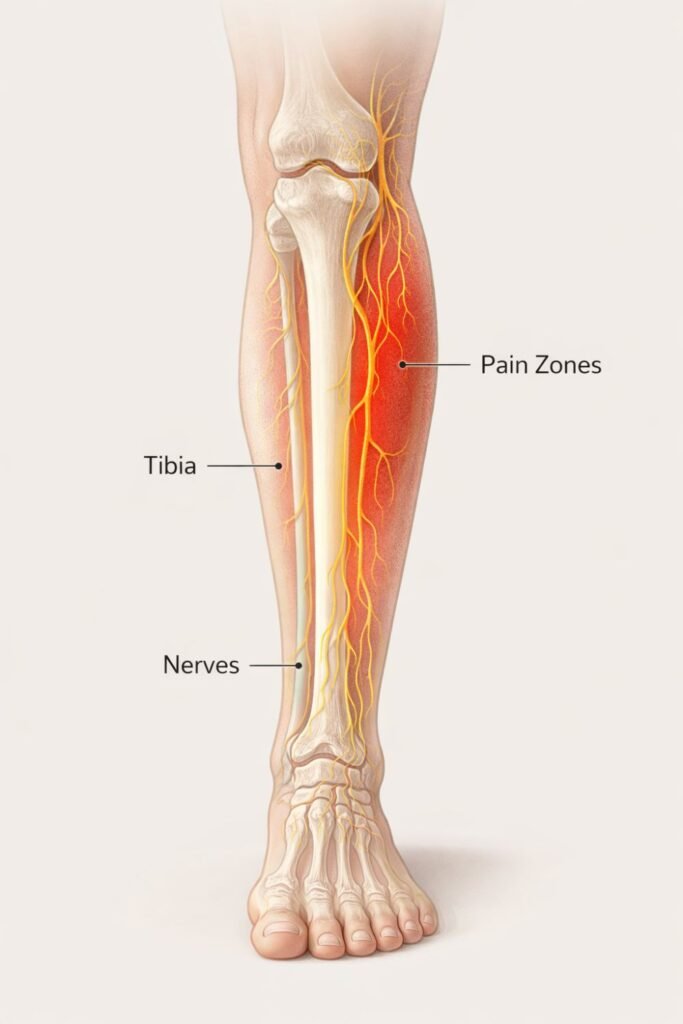
Let’s be honest—shin tattoos are considered quite painful compared to many other body areas. On a universal pain scale, they typically rank between 7/10 and 9/10. The reason is simple: the shin has very little muscle or fat protection, meaning the tattoo needle is much closer to the bone (periosteum), which is highly sensitive.
Unlike softer areas like the forearm or thigh, the shin does not have a natural cushioning layer, which makes the sensation more intense.
Why Shin Tattoos Hurt More
- The skin over the shin is very thin
- There is minimal fat or muscle cushioning
- The needle is close to the bone structure
- Sensitive nerve endings are concentrated around the lower leg
What Shin Tattoo Pain Feels Like
During the session, the sensation can vary depending on the exact placement:
- Bone vibration effect: You may feel the tattoo machine’s vibration travel through the entire lower leg
- Sharp scratching sensation: The skin can feel like it is being deeply scraped
- Hot, burning feel: Especially in thinner skin areas
- Increased ankle sensitivity: Pain often becomes stronger near the ankle or shin bone edges
Tips to Handle Shin Tattoo Pain
- Stay calm and practice slow breathing during the session
- Eat a proper meal before your appointment to maintain energy levels
- Take short breaks if the pain becomes overwhelming
- Choose an experienced tattoo artist who works efficiently
- Avoid alcohol or caffeine before your session
Shin Tattoo Healing Timeline: What to Expect
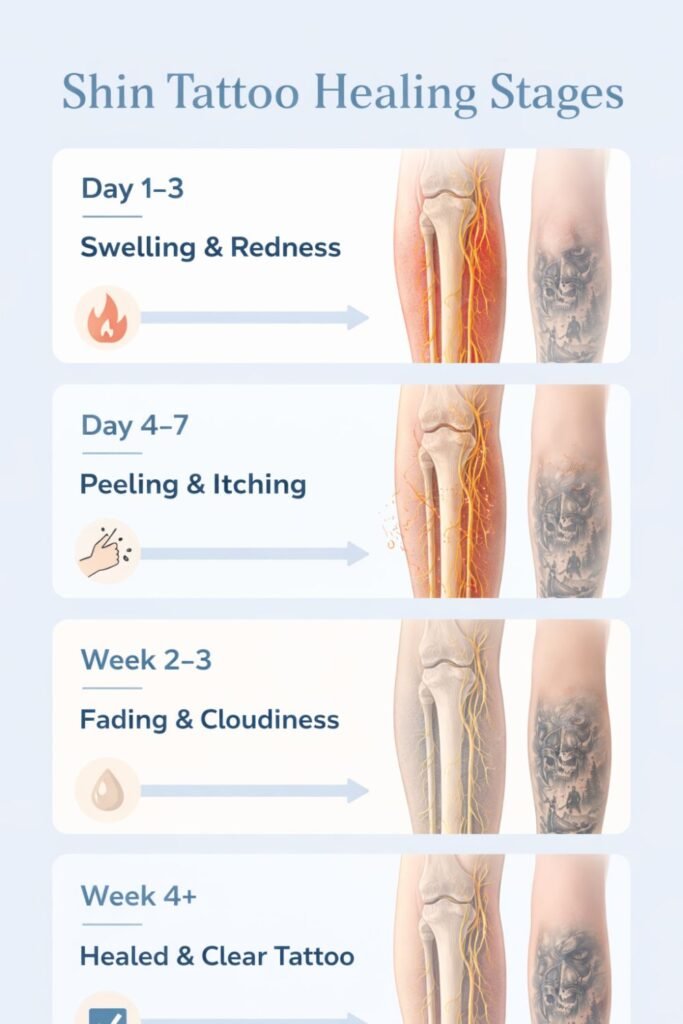
Understanding the healing process helps you take better care of your tattoo and avoid common mistakes. Shin tattoos go through a few clear stages as the skin repairs itself.
Days 1–3 (The “Ooze” Phase)
In the first few days, it’s normal to see slight swelling around the tattooed area, especially near the ankle. Some fluid or “oozing” may also appear as the skin starts healing.
What to do:
- Keep your leg slightly elevated when resting to reduce swelling and throbbing
- Gently clean the area as advised by your tattoo artist
- Avoid tight clothing that puts pressure on the shin
Days 4–7 (The Itch and Peel Phase)
This is the stage where the tattoo starts to dry and peel. The skin may feel itchy, which is completely normal.
What to do:
- Do NOT scratch or pick at the peeling skin
- Apply a small amount of fragrance-free ointment or moisturizer
- Keep the area clean and lightly hydrated
Weeks 2–4 (The Dull or Cloudy Phase)
During this phase, the tattoo may look slightly faded or cloudy. This happens because a new layer of skin is forming over the ink.
What to do:
- Continue moisturizing regularly
- Avoid direct sunlight exposure
- Stay consistent with gentle skin care
Once this phase is complete, the tattoo will start to look sharper and more defined again.
How to Prepare for a Shin Tattoo
Preparation can make your experience smoother and less stressful.
Before Your Appointment:
- Get proper sleep the night before
- Eat a healthy meal
- Stay hydrated
- Avoid alcohol for at least 24 hours
- Wear comfortable shorts for easy access
Mental Preparation:
- Understand the pain level
- Trust your artist
- Be patient during the process
Aftercare Tips for Shin Tattoos
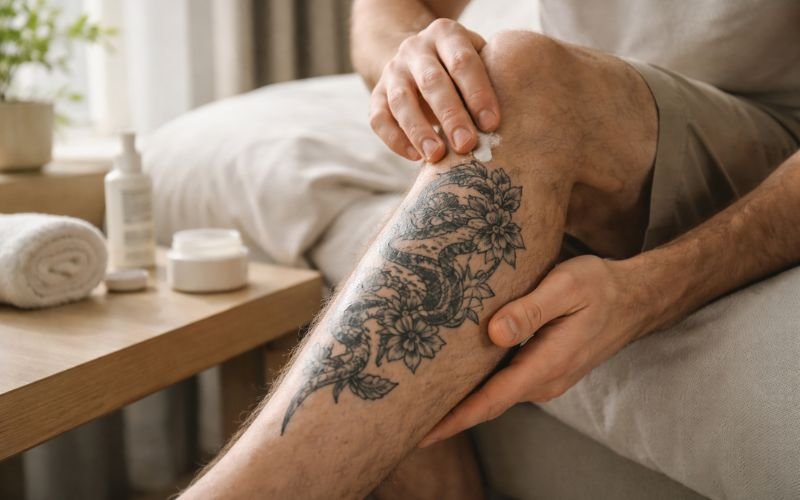
Aftercare is very important to keep your tattoo looking fresh and prevent infection.
First Few Days:
- Keep the tattoo clean and dry
- Wash gently with mild soap
- Apply recommended ointment
Healing Process:
- Expect some redness and swelling
- Light peeling or itching is normal
- Avoid scratching
Do’s and Don’ts:
Do:
- Wear loose clothing
- Keep the area moisturized
- Follow your artist’s advice
Don’t:
- Expose to direct sunlight
- Go swimming
- Use harsh chemicals
Healing usually takes 2 to 4 weeks, but full healing may take longer.
Pros and Cons of Shin Tattoos
Pros:
- Unique and stylish placement
- Great for bold designs
- Long-lasting appearance
Cons:
- High pain level
- Healing can be slightly uncomfortable
- Not ideal if you prefer hidden tattoos
How to Choose the Right Tattoo Artist
A good tattoo artist makes a huge difference in the final result.
Look For:
- Strong portfolio (especially leg tattoos)
- Good hygiene and clean studio
- Positive reviews
- Experience with detailed designs
Never rush this decision. A skilled artist ensures better design, less pain, and safer healing.
Cost of Shin Tattoos
The cost depends on size, design, and artist experience.
Average Price:
- Small tattoos: ₹3,000 – ₹8,000
- Medium designs: ₹8,000 – ₹20,000
- Large detailed tattoos: ₹20,000+
Quality should always come before price.
Conclusion
Shin tattoos for men are a bold and stylish choice that can truly stand out. While they do come with higher pain levels, the results are often worth it—especially if you choose the right design and artist.
Take your time to plan your tattoo, understand the process, and follow proper aftercare. Whether you go for a detailed dragon, a simple quote, or a geometric pattern, your shin tattoo can become a powerful expression of your personality.
FAQs About Shin Tattoos for Men
1. Are shin tattoos more painful than arm tattoos?
Yes, shin tattoos are usually more painful because the skin is thin and close to the bone.
2. How long does a shin tattoo take to heal?
Initial healing takes about 2 to 4 weeks, but full healing may take up to 6 weeks.
3. Can beginners get a shin tattoo?
Yes, but beginners should be prepared for higher pain levels and choose a simple design first.
4. Do shin tattoos fade quickly?
No, they usually last well because the skin doesn’t stretch much. Proper aftercare helps maintain quality.
5. What should I wear for a shin tattoo appointment?
Wear loose shorts or comfortable clothing that gives easy access to your lower leg.