Walking into a professional environment for the first time can feel overwhelming—especially when you’re unsure what to wear. Many beginners worry about being underdressed or making a bad impression.
Here’s the good news: once you understand business professional attire, you’ll never have to worry about that again.
Business professional is considered the gold standard of men’s dress codes. If you master this style, you can easily adjust to less formal dress codes like business casual. This guide will not only explain the basics but also share insider tips that most beginners don’t know.
What Is Business Professional Attire for Men?
Business professional attire is the most formal type of workplace dress code. It is commonly expected in industries like law, finance, and corporate environments.
In simple terms, it includes:
- A well-fitted suit
- A formal dress shirt
- A tie
- Formal leather shoes
The goal is to present yourself in a way that looks polished, structured, and professional without being distracting.
Why Business Professional Attire Matters
Your clothing speaks before you do. In formal settings, your appearance can influence how seriously people take you.
Dressing professionally helps you:
- Make a strong first impression
- Show respect for the workplace
- Build confidence
- Reflect discipline and attention to detail
When you dress the part, you naturally feel more prepared and confident.
Key Elements of Business Professional Attire
Let’s break down each component with beginner-friendly explanations and expert-level details.
The Suit
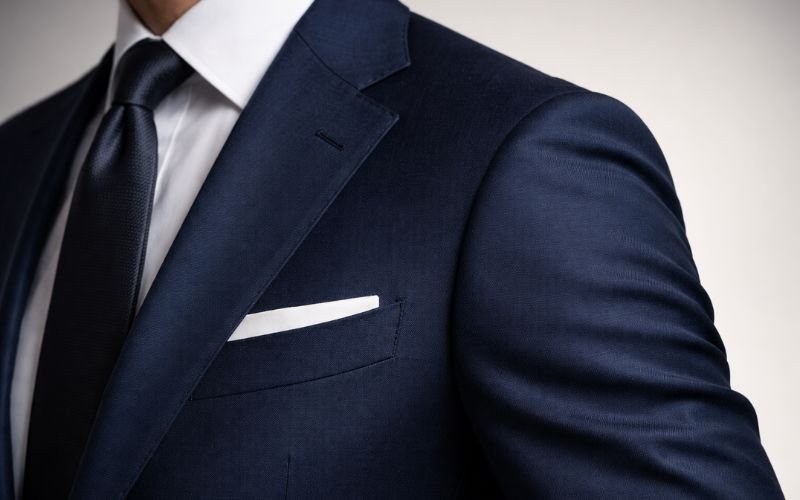
A suit is the foundation of business professional attire. But more than the color or brand, fit is everything.
Checklist for the Perfect Fit:
- Shoulders: The seam should end exactly where your shoulder ends
- Sleeves: About 1/2 inch of your shirt cuff should be visible
- Jacket Length: Should cover your seat
- Trousers: Should lightly rest on your shoes (no bunching)
Neutral colors are best:
- Navy blue
- Charcoal gray
- Black
Pro Tip:
A tailor is your best investment. Even an affordable suit can look high-end if it’s properly tailored to your body.
The Dress Shirt
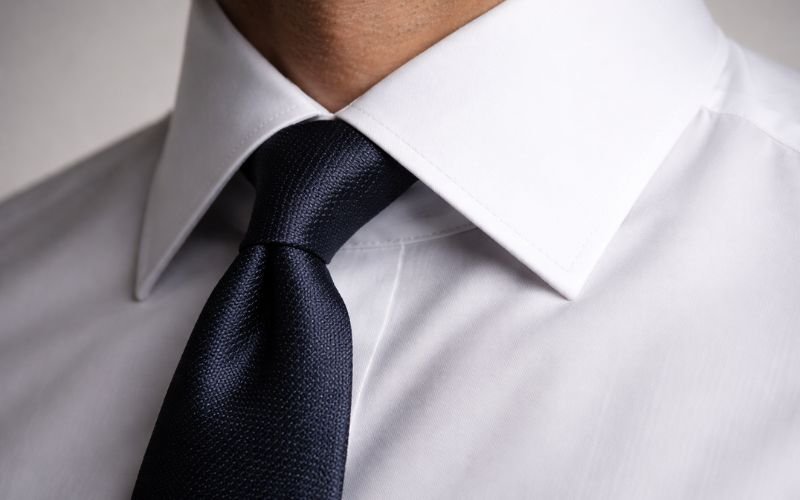
Your dress shirt should be clean, structured, and simple.
Best Choices:
- White or light blue
- Solid colors or very subtle patterns
- Crisp, ironed fabric
Important Details Beginners Miss:
- Collar Stays: These small inserts keep your collar sharp and structured. Without them, your collar may look floppy.
- Undershirt: Wear a light-colored V-neck undershirt to prevent sweat stains and avoid a see-through look.
Pro Tip:
Always ensure your shirt fits well around the neck and wrists. A loose collar or baggy sleeves can ruin your entire look.
The Tie
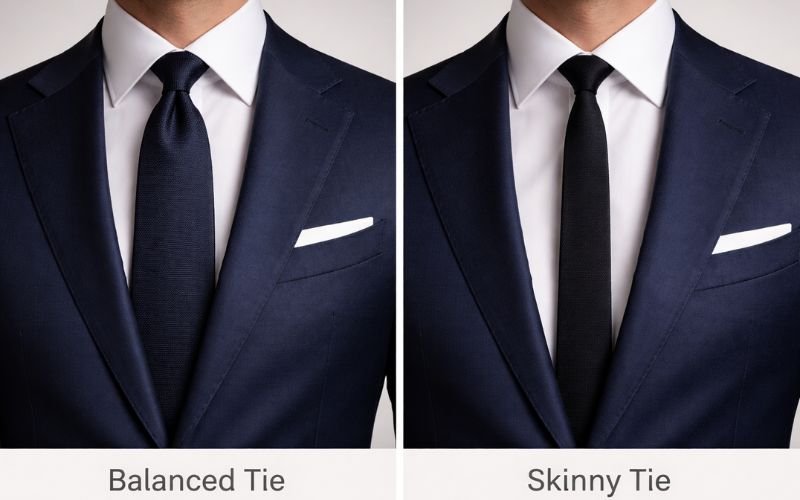
A tie adds formality and completes your outfit.
Key Rules:
- Stick to simple patterns or solid colors
- Make sure it complements your suit and shirt
The Width Rule:
The width of your tie should roughly match the width of your suit’s lapel. This keeps your outfit balanced.
Pro Tip:
Your tie should reach the top of your belt buckle—not shorter, not longer.
Dress Shoes
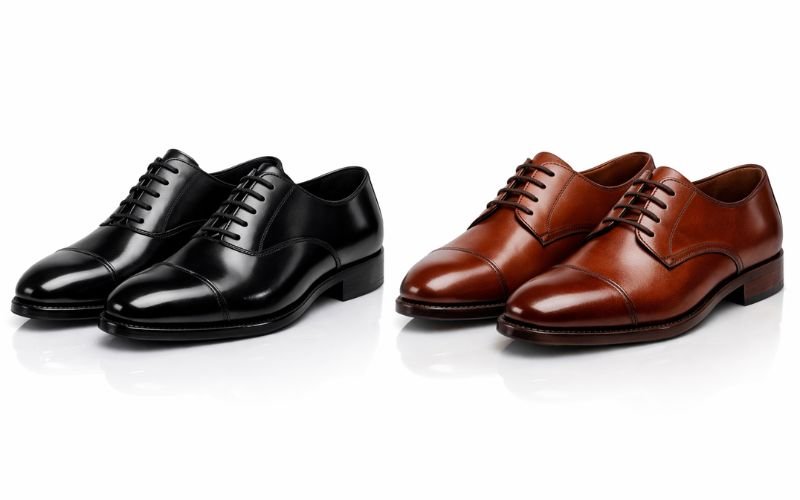
Shoes are one of the most noticeable parts of your outfit.
Types of Formal Shoes:
- Oxfords: Closed lacing, more formal, best for strict business settings
- Derbys: Open lacing, slightly more flexible but still professional
Colors:
- Black (most formal)
- Dark brown
Pro Tip:
Always match your belt with your shoe color. This small detail makes a big difference.
Accessories
Keep accessories minimal and elegant.
Common options include:
- A wristwatch
- A simple leather belt
- Cufflinks (optional)
- Pocket square (optional)
Pro Tip:
Always match your socks with your trousers, not your shoes. This creates a cleaner and more streamlined look.
How to Dress Step-by-Step (Beginner Guide)
If you’re just starting out, follow this simple method:
- Wear a clean, ironed dress shirt
- Add tailored trousers
- Put on your suit jacket
- Choose a matching tie
- Wear polished formal shoes
- Add minimal accessories
This step-by-step approach ensures a complete and professional look.
Business Professional vs Business Casual
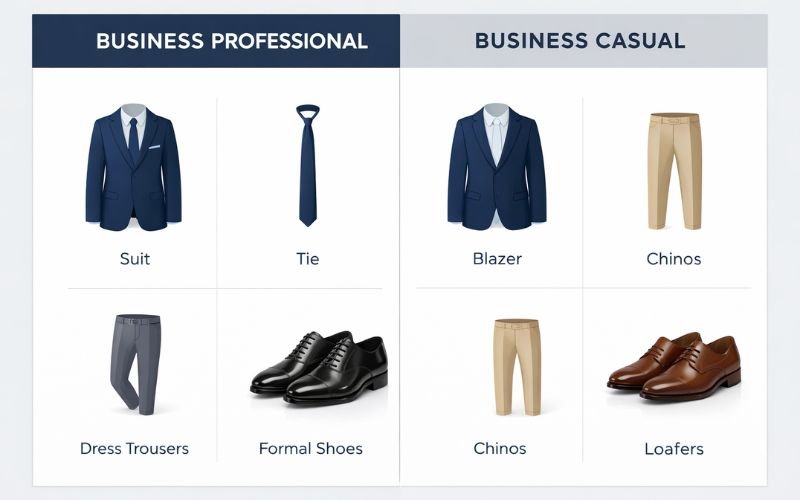
Many beginners confuse these two dress codes. Here’s a clear comparison:
| Feature | Business Professional | Business Casual |
| Upper Body | Full suit jacket | Blazer or sweater |
| Neckwear | Always a tie | No tie needed |
| Bottoms | Matching suit trousers | Chinos or slacks |
| Footwear | Leather Oxfords | Loafers or brogues |
Pro Tip:
If you’re ever unsure, choose business professional. It’s always better to be slightly overdressed than underdressed.
Common Mistakes to Avoid
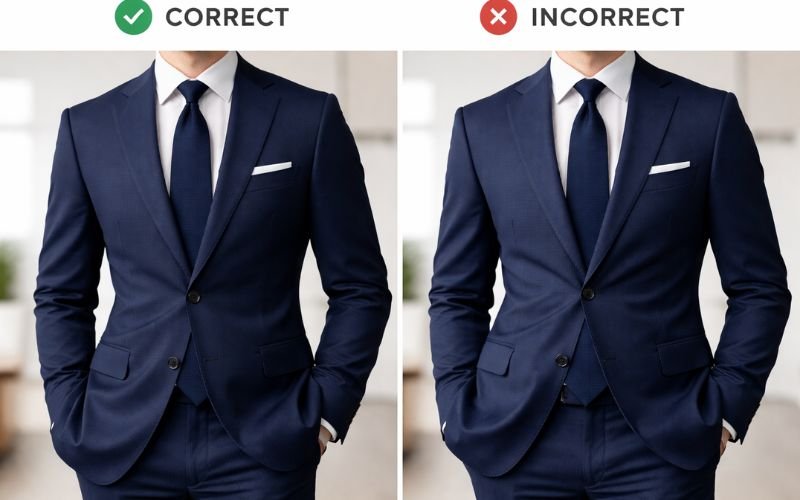
Avoiding small mistakes can instantly improve your appearance.
Common Errors:
- Wearing ill-fitting suits
- Wrinkled or unclean clothes
- Mixing too many bold colors or patterns
- Wearing casual shoes with formal outfits
- Ignoring grooming
The Bottom Button Rule (Very Important):
- Never button the bottom button of your suit jacket
For a three-button suit:
- Top button: Sometimes
- Middle button: Always
- Bottom button: Never
Pro Tip:
Unbutton your suit jacket when sitting down to avoid wrinkles and discomfort.
Grooming and Personal Hygiene
Even the best outfit won’t look good without proper grooming.
Basic Grooming Tips:
- Keep your hair neat and styled
- Maintain a clean or well-trimmed beard
- Use a mild fragrance
- Keep nails clean and trimmed
Professional dressing is about your overall appearance, not just your clothes.
When Should You Wear Business Professional Attire?
You should wear business professional attire in situations like:
- Job interviews
- Corporate meetings
- Legal or finance workplaces
- Formal presentations
- Important business events
Even in a relaxed workplace, dressing professionally during key moments can set you apart.
Seasonal Tips for Business Professional Dressing

Choosing the right fabric is just as important as choosing the right style.
Summer
- Linen blends
- Lightweight cotton
- High-twist wool (breathable and wrinkle-resistant)
Winter
- Flannel suits
- Tweed fabrics
- Wool for warmth and texture
Pro Tip
Wearing the wrong fabric in the wrong season can make you uncomfortable, no matter how good your outfit looks.
Simple Outfit Examples

Here are a few beginner-friendly combinations:
Example 1
- Navy blue suit
- White shirt
- Dark tie
- Black shoes
Example 2
- Charcoal gray suit
- Light blue shirt
- Patterned tie
- Brown shoes
Example 3
- Black suit
- White shirt
- Black tie
- Black shoes
These combinations are classic, safe, and suitable for most professional settings.
Conclusion
Business professional attire for men may seem complicated at first, but once you understand the details, it becomes simple and manageable.
The key is to focus on:
- Proper fit
- Clean and neutral styles
- Attention to small details
When you master this dress code, you gain more than just style—you gain confidence and control over your professional image. And once you’re comfortable with business professional attire, adapting to any other dress code becomes easy.
FAQs
1. What is the difference between a suit and business professional attire?
A suit is one part of business professional attire. The full dress code includes a suit, shirt, tie, shoes, and proper grooming.
2. Is a tie always required in business professional attire?
Yes, in most traditional and formal workplaces, a tie is expected.
3. Can I wear brown shoes with a black suit?
It’s better to wear black shoes with a black suit. Brown shoes work best with navy or gray suits.
4. How many suits should a beginner own?
Start with 2–3 suits in neutral colors like navy, gray, and black.
5. Can I wear patterns in business professional attire?
Yes, but keep them subtle and minimal.
6. Can I wear a smartwatch with business professional attire?
While smartwatches are common today, a slim watch with a leather strap or metal band looks more professional. Avoid bulky sports watches with rubber straps.