
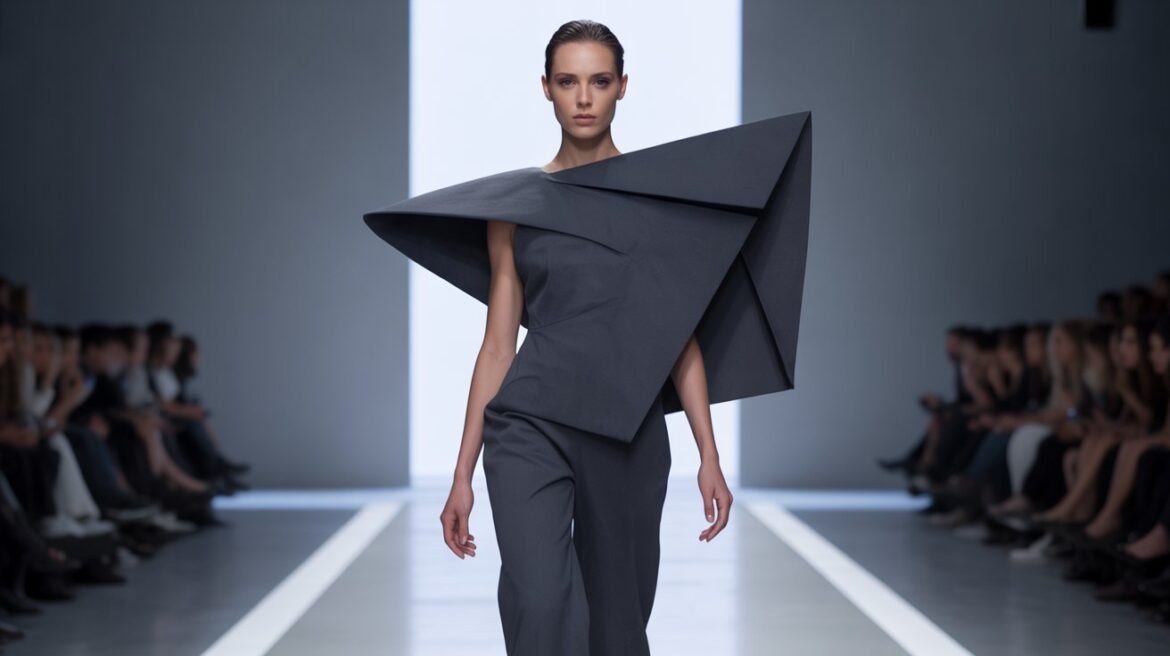
Avant-garde fashion is a bold and experimental approach to clothing that pushes the boundaries of traditional design. The term avant garde in fashion refers to styles that are artistic, innovative, and often very different from mainstream fashion trends. Instead of focusing only on wearability, avant-garde designers create clothing that looks like wearable art, using unusual shapes, fabrics, and construction techniques.
The reason avant garde fashion is important is because it drives creativity in the fashion industry. Many ideas that start as avant-garde concepts later become part of mainstream fashion. In this way, avant-garde designers influence trends, materials, and silhouettes that we see in everyday clothing today.
Modern avant garde fashion combines technology, sustainability, and futuristic ideas to create unique designs. From oversized silhouettes to sculptural dresses and experimental textures, the avant garde style is all about self-expression, creativity, and breaking fashion rules.
What Is Avant-Garde Fashion?
Avant-garde fashion is a bold and experimental approach to clothing that pushes the boundaries of traditional style. At its core, avant-garde fashion is about creativity, innovation, and challenging conventional norms in the fashion industry. Unlike mass-market fashion that follows trends for widespread appeal, avant-garde pieces are unique, often conceptual, and designed to make a statement.
The term “avant-garde” originates from the French phrase meaning “advance guard”, historically referring to troops who led the way in battle. In fashion, this translates to designers who are at the forefront of style, exploring new forms, materials, and techniques long before they enter mainstream culture.
Avant-garde fashion sits at the intersection of art and fashion, blending experimentation with aesthetic expression. Many consider it a form of wearable art, where garments are created not just for utility but as a medium to express identity, emotion, and even social commentary. Designers often play with asymmetry, deconstruction, oversized silhouettes, and unconventional fabrics to create looks that are thought-provoking and visually striking.
Unlike everyday apparel, avant-garde fashion is not meant for mass production. Each piece is a statement, often reflecting a designer’s personal vision, cultural critique, or artistic concept. This is what makes avant-garde fashion distinct—it’s not about fitting in, but standing out.
Avant-Garde Fashion Meaning
Avant-garde fashion meaning goes beyond just clothing; it represents a daring artistic approach that challenges conventional norms in style. The term “avant-garde” comes from French, meaning “advance guard,” and in fashion, it refers to designs that push boundaries, defy traditional aesthetics, and explore bold, experimental ideas. Unlike mainstream fashion, which follows trends and consumer demands, avant-garde is about self-expression, innovation, and creating wearable art.
While traditional fashion focuses on what is popular and widely accepted, avant-garde designers use clothing to make a statement, provoke thought, or question societal norms. This is why avant-garde fashion is often referred to as “anti-fashion”—it intentionally moves away from predictable trends and mass production to create unique, limited pieces that emphasize creativity over conformity.
Avant-garde pieces often feature asymmetrical shapes, exaggerated silhouettes, unusual materials, and unexpected details that distinguish them from everyday apparel. While trends come and go, avant-garde fashion exists outside the conventional cycle, influencing designers and culture alike with its forward-thinking approach. In short, it’s less about what people are wearing today and more about imagining what fashion could be tomorrow.
| Traditional Fashion | Avant-Garde Fashion |
| Trend-based | Experimental |
| Wearable | Artistic |
| Mass production | Limited pieces |
| Symmetrical | Asymmetrical |
| Safe | Bold |
History of Avant-Garde Fashion
Avant-garde fashion has a rich history that reflects the evolution of creativity, experimentation, and boundary-pushing in the fashion world. The term “avant-garde” originated in the 1920s, borrowing from military terminology, meaning the “advance guard.” In fashion, it symbolizes designers who step ahead of trends, experimenting with shapes, materials, and concepts that challenge conventional norms.
Timeline of Avant-Garde Fashion Evolution
- 1920s – Origin of Avant-Garde Concept:
The avant-garde mindset emerged in the early 20th century as artists and designers sought to break away from traditional fashion. It wasn’t just about clothing; it was about creating wearable art that provoked thought and inspired rebellion against standard styles. - 1960s – Japanese Designers Revolution:
Designers like Rei Kawakubo and Yohji Yamamoto revolutionized fashion by introducing oversized silhouettes, asymmetrical cuts, and deconstructed garments. Their work challenged Western ideals of beauty and gender norms, creating a new, intellectual approach to fashion. - 1980s – Deconstruction Fashion:
Belgian designer Martin Margiela and others popularized deconstruction, turning garments inside-out and reassembling them in unusual ways. This era emphasized imperfection, revealing seams, and exposing hidden construction elements as a form of artistic expression. - 2000s – Technology in Fashion:
With advancements in technology, designers such as Issey Miyake integrated innovative textile techniques and materials into their collections. Pleating, 3D fabric manipulation, and new synthetic fabrics allowed garments to become sculptural, functional, and visually striking. - 2020s – Digital & AI Fashion:
Today, avant-garde fashion embraces digital innovations and AI-powered design. Designers experiment with virtual garments, digital textiles, and interactive pieces, blending technology with traditional craftsmanship to redefine the future of style.
Key Designers Who Shaped Avant-Garde Fashion
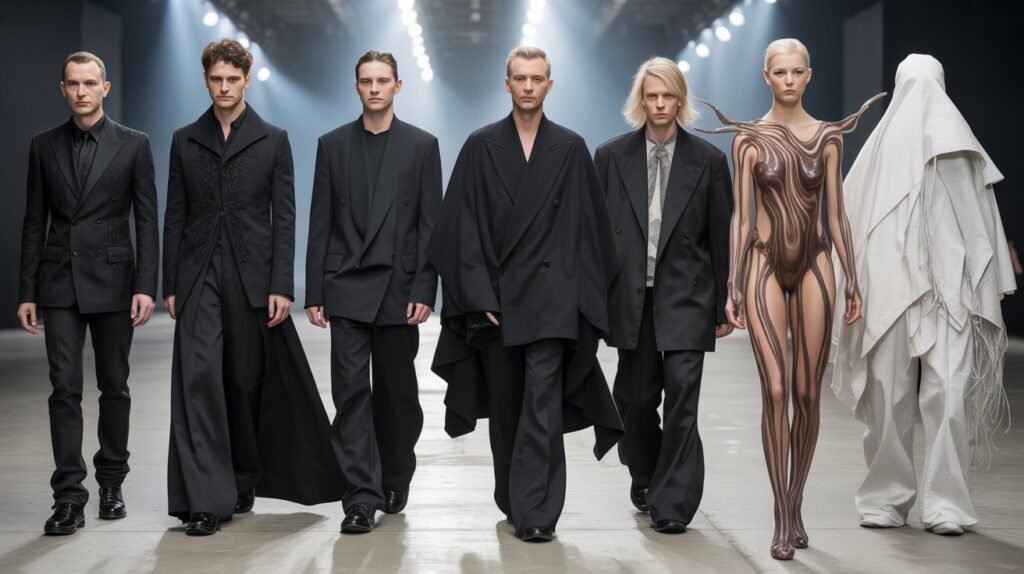
- Rei Kawakubo (Comme des Garçons): Pioneer of deconstruction and asymmetry, her designs challenge perceptions of form and gender.
- Yohji Yamamoto: Known for oversized silhouettes, black monochromes, and blending traditional Japanese aesthetics with modern avant-garde concepts.
- Issey Miyake: Innovator in textile technology and pleating, transforming simple fabrics into futuristic, sculptural garments.
- Martin Margiela: Deconstructionist who redefined craftsmanship by turning imperfections into design statements.
Avant-garde fashion history is a story of rebellion, innovation, and constant evolution. From the roots of artistic experimentation in the 1920s to AI-driven creations today, this style continues to push the boundaries of what clothing can represent, inspiring new generations of designers and fashion enthusiasts alike.
Key Features of Avant-Garde Fashion
Avant-garde fashion is all about pushing boundaries and challenging conventional style. It is not just clothing—it’s wearable art that expresses creativity, rebellion, and innovation. Understanding the key features of avant-garde fashion helps both designers and fashion enthusiasts recognize what sets this style apart from mainstream trends.
Some defining characteristics include:
- Asymmetrical Designs – Avant-garde clothing often features uneven hems, mismatched sleeves, and irregular cuts. These asymmetrical elements break traditional balance, creating a visually striking effect that draws attention.
- Oversized Silhouettes – Baggy coats, loose trousers, and exaggerated jackets are a hallmark of avant-garde fashion. Oversized garments emphasize comfort while making a bold statement about volume and proportion.
- Deconstructed Garments – Designers frequently deconstruct traditional pieces like shirts, jackets, or dresses, and reassemble them in unexpected ways. This approach challenges the conventional understanding of clothing structure.
- Unconventional Materials – Avant-garde fashion experiments with materials like rubber, vinyl, metal, PVC, and recycled fabrics. These unusual textures and compositions make the garments stand out as artistic creations.
- Dark Colors – Black, deep gray, and muted tones dominate avant-garde collections, giving the outfits a dramatic, mysterious, and edgy vibe.
- Sculptural Clothing – Many pieces resemble sculptures, with structured forms and architectural shapes that play with the human body’s silhouette.
- Gender-Neutral Fashion – Avant-garde often blurs the lines between traditional men’s and women’s clothing, promoting self-expression without gender restrictions.
- Experimental Textures – Mixing fabrics, layering unusual textures, and playing with transparency or rigidity creates garments that are tactile, thought-provoking, and visually dynamic.
Avant-Garde Fashion Designers
Avant-garde fashion is defined not only by its experimental silhouettes and bold designs but also by the visionary designers who continually push boundaries. These avant garde fashion designers have transformed the fashion industry by blending art, technology, and cultural commentary into wearable statements. Their creations challenge traditional norms, making fashion a medium for self-expression, innovation, and social commentary. Below is a closer look at some of the most influential avant-garde fashion designers and their contributions.
Alexander McQueen
Style: Dark, theatrical, avant-garde couture
Contribution: Alexander McQueen redefined fashion with dramatic runway shows and designs that combined gothic elements with technical precision. He blurred the line between fashion and performance art.
Famous Designs: Armadillo boots, skull scarves, Plato’s Atlantis collection
Impact on Fashion: McQueen brought storytelling to fashion, inspiring generations to see clothing as a medium for artistic expression. His avant-garde aesthetic continues to influence modern haute couture and luxury streetwear.
Image suggestion: Alexander McQueen runway look – ALT: “Alexander McQueen avant-garde gothic couture design”
Rick Owens
Style: Gothic, minimalist, monochromatic
Contribution: Known as the “Prince of Darkness” in fashion, Owens combines edgy streetwear with architectural silhouettes, emphasizing monochrome palettes and asymmetry.
Famous Designs: Ramones Converse collaboration, draped leather jackets, oversized sweaters.
Impact on Fashion: Rick Owens has made avant-garde fashion accessible, bridging the gap between luxury and streetwear while inspiring contemporary designers with his minimalist yet bold vision.
Yohji Yamamoto
Style: Androgynous, oversized, minimalist
Contribution: Yohji Yamamoto challenges gender norms and traditional tailoring with oversized, flowing garments and a predominance of black. His designs often explore the relationship between the body and clothing.
Famous Designs: Y-3 collaboration with Adidas, signature black draped coats
Impact on Fashion: Yamamoto’s innovative approach to silhouette and fabric has inspired avant-garde movements globally, encouraging designers to explore minimalism with a dramatic flair.
Rei Kawakubo
Style: Deconstructed, experimental, asymmetrical
Contribution: Rei Kawakubo pioneered deconstruction in fashion, challenging the idea of perfect symmetry and conventional beauty. Her designs are conceptual and often provoke thought rather than just appeal visually.
Famous Designs: Lumps and Bumps collection, asymmetrical dresses, oversized menswear
Impact on Fashion: Kawakubo’s work has redefined avant-garde fashion as an intellectual art form, influencing countless designers to embrace conceptual aesthetics.
Iris van Herpen
Style: Futuristic, technology-driven, sculptural
Contribution: Iris van Herpen integrates 3D printing and innovative materials into her designs, creating wearable sculptures that push the boundaries of fashion and technology.
Famous Designs: 3D-printed dresses, biomorphic gowns
Impact on Fashion: Van Herpen has made avant-garde fashion futuristic, inspiring designers to experiment with new materials and techniques, blending fashion with science and architecture.
Hussein Chalayan
Style: Conceptual, architectural, kinetic
Contribution: Chalayan blends architecture, technology, and fashion by creating garments that transform or have hidden functionalities, often telling stories through movement and structure.
Famous Designs: Table skirt dress, transformable wool dresses
Impact on Fashion: Chalayan’s work emphasizes fashion as a medium for conceptual storytelling, inspiring designers to integrate function, technology, and narrative in avant-garde fashion.
Martin Margiela
Style: Deconstructed, minimalistic, sustainable
Contribution: Martin Margiela introduced anonymity and deconstruction, creating garments that highlight seams, inner linings, and recycled materials. He challenged fashion’s focus on brand identity and luxury.
Famous Designs: Tabi boots, inside-out jackets, deconstructed suits
Impact on Fashion: Margiela’s sustainable and conceptual approach reshaped how designers think about clothing construction, deconstruction, and the concept of fashion as art.
Avant-Garde Fashion Examples
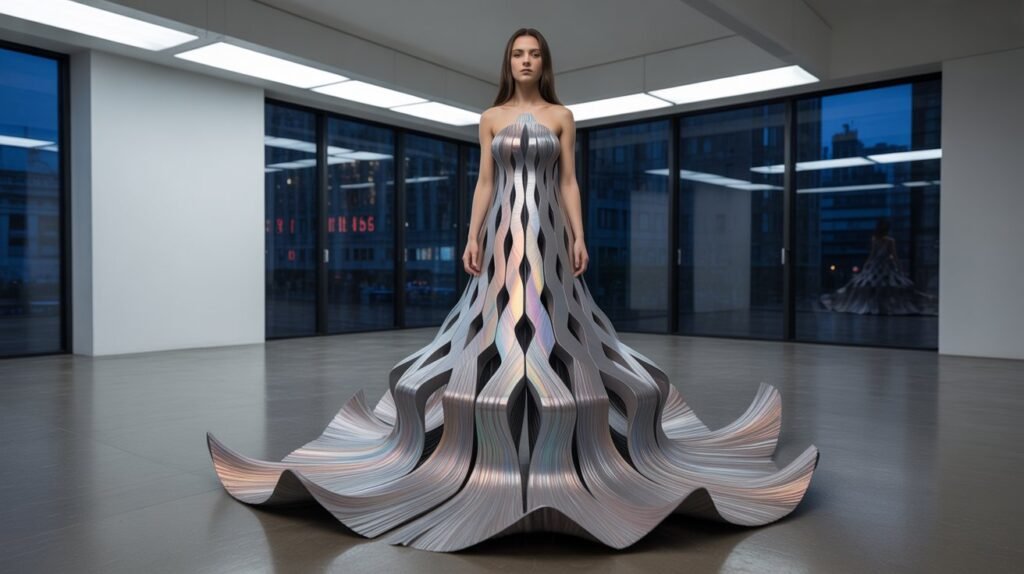
Avant-garde fashion examples showcase the bold, experimental, and artistic side of style that challenges conventional norms. From sculptural dresses to oversized black outfits, avant-garde designs are more than clothing—they are wearable art. Designers use unconventional materials, unusual silhouettes, and innovative construction techniques to create pieces that make a statement on the runway and beyond.
Some iconic avant-garde fashion examples include:
- Sculptural Dresses – These dresses often resemble art installations more than clothing. Designers like Iris van Herpen craft sculptural pieces using materials such as resin, 3D-printed plastics, or layered fabrics to create flowing, three-dimensional shapes that defy traditional dress forms.
- 3D-Printed Dresses – Modern technology allows designers to create dresses using 3D printing, turning futuristic concepts into reality. These dresses often incorporate intricate geometric patterns and forms that could never be achieved with traditional sewing methods.
- Deconstructed Jackets – Avant-garde jackets often feature exposed seams, asymmetrical cuts, and reassembled fabrics. Designers like Martin Margiela use deconstruction to challenge the conventional look of jackets, making each piece unique and thought-provoking.
- Oversized Black Outfits – Designers such as Yohji Yamamoto and Rick Owens frequently use oversized silhouettes in monochromatic black, creating dramatic, mysterious, and striking looks. These outfits are not only visually powerful but also redefine proportions in fashion.
- Runway Conceptual Outfits – On the runway, avant-garde fashion often pushes the boundaries of practicality. From dresses that double as furniture (Hussein Chalayan) to outfits inspired by surrealist art (Alexander McQueen), these conceptual designs blur the line between fashion and performance art.
Modern Avant-Garde Fashion
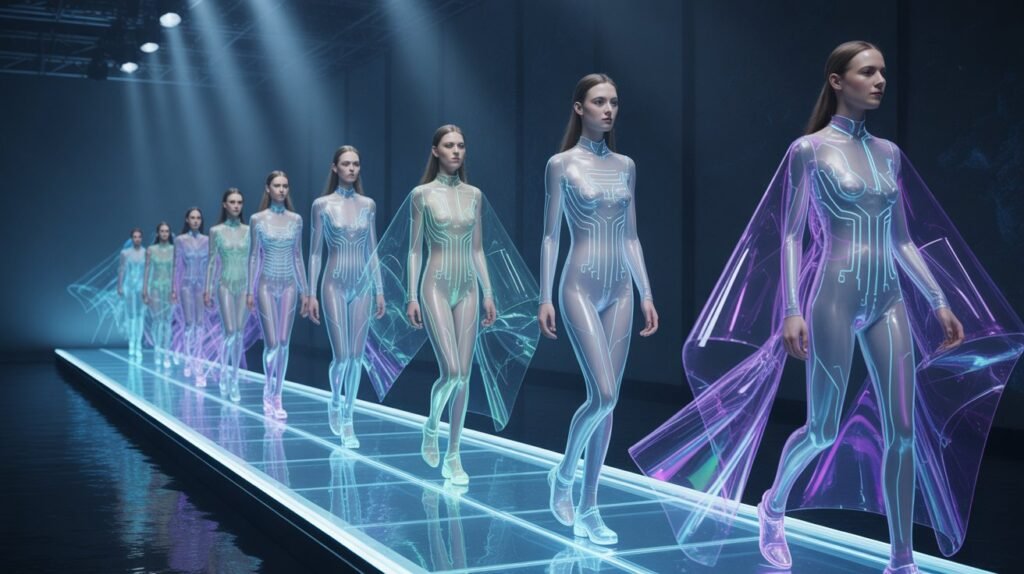
Modern avant-garde fashion is a bold and innovative approach that pushes the boundaries of clothing design, blending technology, sustainability, and futuristic aesthetics. Unlike traditional styles, modern avant garde fashion experiments with materials, forms, and concepts, creating wearable art that challenges societal norms and personal expression.
Technology in Fashion
Cutting-edge technology has become a cornerstone of modern avant-garde fashion. Designers now use 3D printing to craft intricate garments impossible to create by hand, allowing for geometric, architectural, and highly detailed designs. AI fashion tools help designers predict trends, generate unique patterns, and even design entire collections digitally, making avant-garde concepts more accessible and efficient.
Sustainable Avant-Garde
Sustainability is increasingly important in contemporary avant-garde fashion. Designers like Demna Gvasalia emphasize using recycled fabrics, eco-friendly dyes, and upcycled garments to create environmentally conscious pieces without compromising on boldness. This approach not only reduces waste but also adds a narrative layer to the fashion, making each piece meaningful.
Digital Fashion
Digital fashion is revolutionizing how we perceive clothing. Avant-garde designers are now creating virtual garments that can be worn in video games, social media, or virtual reality platforms. These designs often incorporate extreme silhouettes and futuristic details, showcasing the possibilities of digital avant-garde fashion without the physical limitations of fabrics or tailoring.
Streetwear Avant-Garde
Modern avant-garde fashion also intersects with streetwear. Designers like Gareth Pugh mix oversized silhouettes, asymmetry, and unconventional fabrics to make edgy streetwear that feels both rebellious and high-fashion. This fusion has made avant-garde more relatable and wearable for contemporary audiences.
Gender-Neutral Fashion
One of the defining features of modern avant-garde fashion is its focus on gender neutrality. Many designers now reject traditional male-female clothing distinctions, emphasizing unisex silhouettes, versatile cuts, and adaptable designs that allow everyone to express their identity freely.
Futuristic Fashion
Futuristic elements dominate modern avant-garde collections, from metallic fabrics to sculptural forms and tech-inspired patterns. This forward-looking approach not only redefines aesthetics but also inspires innovation across the entire fashion industry, influencing mainstream trends and digital culture.
Avant-Garde Outfit Ideas
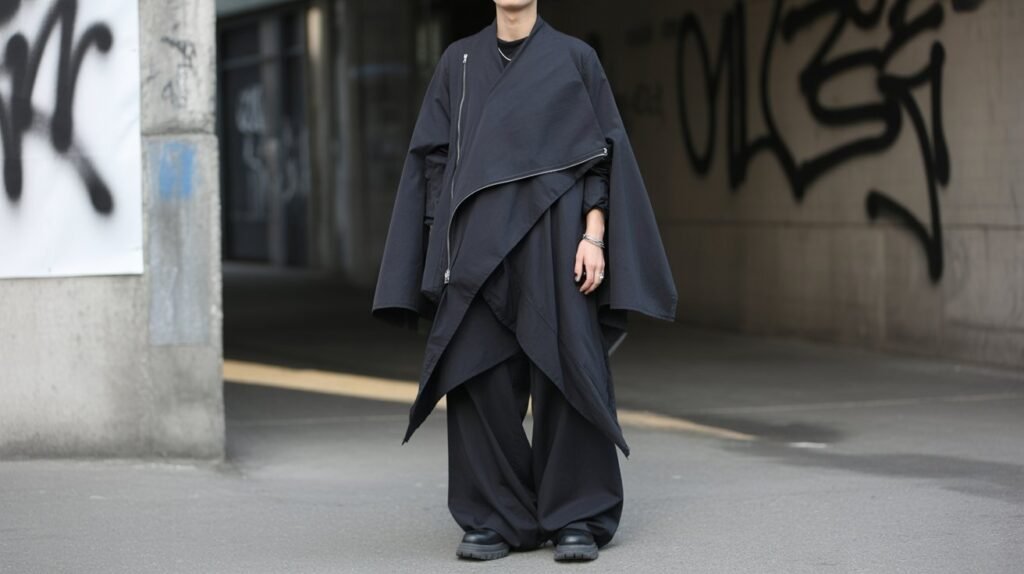
Avant-garde style is all about pushing the boundaries of fashion. It’s where creativity meets boldness, and your outfit becomes a statement. From dramatic silhouettes to futuristic designs, the key is to mix and match unconventional pieces to reflect your personality and artistic vision.
Here are some avant-garde outfit ideas that can inspire your next look:
1. Oversized Black Outfit
An oversized black outfit is a staple in avant-garde fashion. Think long, flowing coats paired with loose trousers or wide sleeves paired with minimal accessories. This style emphasizes shape over color, creating a mysterious and powerful silhouette.
2. Asymmetrical Jacket
An asymmetrical jacket instantly adds edge to any look. Whether paired with tailored pants or a sculptural skirt, the uneven hemline and unique cut make the outfit visually striking and perfect for those who want to stand out.
3. Layered Clothing
Layering is a key technique in avant-garde style. Combine different textures, lengths, and fabrics, such as a sheer top over a structured dress or a long tunic under a cropped jacket. Layered clothing allows you to experiment with proportion and depth.
4. Wide-Leg Pants
Wide-leg pants provide a dramatic flair while keeping comfort in mind. Pair them with a fitted top or oversized shirt for a balanced avant-garde silhouette. The voluminous shape creates movement and makes a bold fashion statement.
5. Sculptural Dress
A sculptural dress transforms your outfit into wearable art. Look for pieces with exaggerated volumes, architectural folds, or origami-inspired designs. These dresses are perfect for special events or fashion-forward street style.
6. Futuristic Outfit
Futuristic outfits often feature metallic fabrics, reflective surfaces, or high-tech accessories. Think sleek silver jackets, PVC skirts, or 3D-printed elements. This futuristic avant-garde style blurs the line between fashion and technology.
7. Monochrome Outfit
A monochrome outfit, especially in black or neutral tones, is a classic in avant-garde fashion. It emphasizes shapes and textures while maintaining a cohesive, elegant look. Layer different shades and fabrics to keep it interesting.
Avant-Garde vs Haute Couture vs High Fashion
When exploring avant-garde fashion, it’s essential to understand how it differs from haute couture and high fashion. Each represents a unique segment of the fashion industry, catering to different creative and commercial goals.
| Feature / Type | Avant-Garde | Haute Couture | High Fashion |
| Creativity | Experimental | Handmade luxury | Trend luxury |
| Style Focus | Artistic | Elegant | Trendy |
| Design Concept | Conceptual | Wearable | Commercial |
| Expression | Bold | Sophisticated | Stylish |
Avant-garde fashion pushes boundaries, focusing on innovation and conceptual ideas that may not be immediately wearable. In contrast, haute couture combines craftsmanship with elegance, offering bespoke pieces for a select audience. High fashion, however, follows seasonal trends, balancing creativity with market appeal.
Future of Avant-Garde Fashion
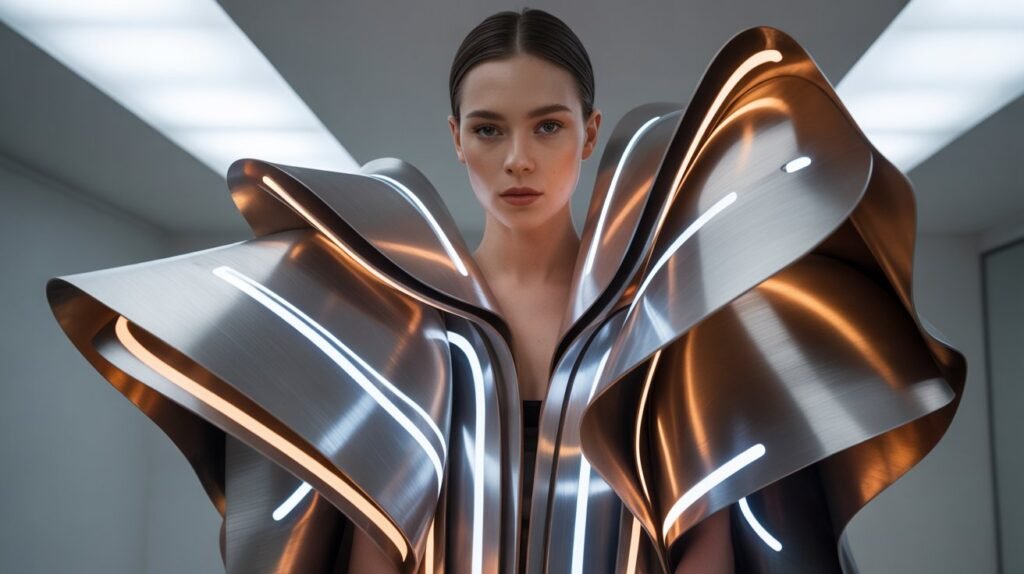
Avant-garde fashion is constantly evolving, and the future promises even more boundary-pushing innovations. With the rise of AI fashion, designers can now predict trends, create virtual prototypes, and experiment with bold concepts faster than ever before. Artificial intelligence allows avant-garde creators to generate unique patterns, fabrics, and even entire collections that challenge traditional design norms.
Smart clothing is another frontier, combining technology with fashion. Imagine garments that change color, adjust shape, or monitor your body while maintaining a striking avant-garde aesthetic. These innovations merge functionality with bold artistic statements, making fashion both wearable and interactive.
The growth of digital clothing and 3D printing is transforming production. Designers can now craft sculptural, asymmetrical, or intricate avant-garde pieces virtually, then bring them to life with 3D printing, reducing waste and opening new possibilities in shape and form. Sustainable materials are also playing a key role, as avant-garde fashion increasingly embraces eco-friendly fabrics, recycled textiles, and upcycled components to create bold yet responsible designs.
Finally, virtual fashion shows are redefining how audiences experience avant-garde collections. Immersive digital experiences allow designers to showcase their visions globally, without the limitations of physical runways, merging fashion, art, and technology into one boundary-breaking spectacle.
Conclusion
Avant-garde fashion continues to redefine the boundaries of style, creativity, and self-expression. From its origins as a daring, forward-thinking movement to its influence on modern fashion, avant-garde fashion challenges traditional norms and encourages designers and consumers alike to think differently. Its essence lies not only in unconventional materials, asymmetrical shapes, and bold silhouettes but also in the statement it makes about individuality and cultural commentary.
Understanding the avant garde fashion meaning helps us appreciate how it differs from mainstream trends and how designers like Rick Owens, Rei Kawakubo, and Iris van Herpen have shaped its evolution. Modern avant garde fashion blends technology, art, and performance, making it accessible yet still experimental, ensuring the movement remains vibrant and influential across global fashion landscapes.
Whether you are a fashion enthusiast, designer, or someone seeking inspiration, exploring avant-garde styles opens up endless possibilities to innovate, break norms, and create garments that are both artistic and revolutionary. Embracing avant garde fashion is ultimately about celebrating uniqueness, pushing limits, and shaping the future of style.
FAQ: Avant-Garde Fashion
Q1: What is avant garde fashion?
Avant-garde fashion is a style that challenges traditional norms and embraces innovation in clothing design. It often features unconventional silhouettes, bold shapes, and experimental materials. Unlike mainstream fashion, avant-garde is more about artistic expression than mass appeal, making it a perfect blend of fashion and wearable art.
Q2: What is avant garde fashion meaning?
The meaning of avant-garde fashion comes from the French term “advance guard,” signifying forward-thinking and revolutionary design. It represents styles that push boundaries, question societal norms, and redefine beauty standards. In short, it’s clothing that is daring, experimental, and often ahead of its time.
Q3: Who are avant garde fashion designers?
Some of the most influential avant-garde fashion designers include:
- Yohji Yamamoto – Master of oversized, androgynous silhouettes.
- Rei Kawakubo – Known for deconstruction and asymmetry.
- Rick Owens – Famous for gothic glamour and bold shapes.
- Alexander McQueen – Blended theatrical art with fashion.
- Iris van Herpen – Pioneer in 3D printing and futuristic garments.
Q4: What are avant garde fashion examples?
Avant-garde fashion examples include asymmetrical jackets, deconstructed dresses, exaggerated volumes, and wearable art pieces using unconventional materials like PVC, Mylar, or recycled plastics. Iconic collections by Comme des Garçons and Alexander McQueen showcase these trends.
Q5: Is avant garde fashion wearable?
Yes, avant-garde fashion can be wearable, though some pieces are more artistic or conceptual. Designers often balance creativity with functionality, creating clothing that makes a statement while still being suitable for certain events, fashion shows, or editorial purposes.
Q6: What is modern avant garde fashion?
Modern avant-garde fashion combines traditional avant-garde elements with current trends and technology. This includes digital printing, 3D-printed garments, sustainable fabrics, and gender-neutral silhouettes, making avant-garde more accessible and futuristic.
Q7: What is avant garde style?
Avant-garde style is all about innovation, individuality, and defying norms. It emphasizes creativity over conformity, often using bold designs, asymmetry, and experimental materials to express personal or artistic visions.
Leave a Reply