
Introduction
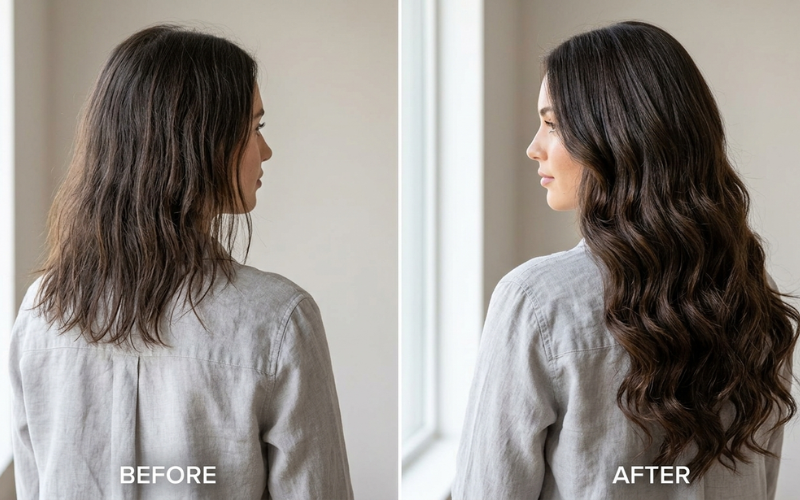
Hair extensions are a popular beauty solution used to add length, volume, and thickness to natural hair. If you are wondering about the best type of hair extensions, the answer depends on your hair type, lifestyle, and styling needs. Today, hair extensions are widely used by people who want instant transformation without waiting for natural hair growth.
In simple words, hair extensions are pieces of real or synthetic hair that are attached to your natural hair to enhance its overall look. They come in different types like clip-in, tape-in, sew-in, and fusion extensions, and each type works differently based on your hair condition.
People use hair extensions for many reasons. Some want longer hair quickly, while others want to add volume to thin or flat hair. Hair extensions are also helpful for special occasions like weddings, parties, or photoshoots where a fuller and more stylish look is needed. They also allow you to experiment with different hairstyles without damaging your natural hair.
It is important to understand that not every extension suits everyone. Different hair types require different types of extensions. For example, tape-in extensions are best for thin hair, while sew-in extensions work better for thick hair. Choosing the right type is very important to get a natural look and avoid damage.
In this complete guide, you will learn about the different types of hair extensions, their pros and cons, and how to choose the best one for your hair.
What Are Hair Extensions?
Hair extensions are strands of real or synthetic hair that are added to your natural hair to enhance its length, volume, and style. They provide a quick and versatile way to achieve a fuller, longer, or more stylish look without waiting for your natural hair to grow.
Types of Hair Extensions
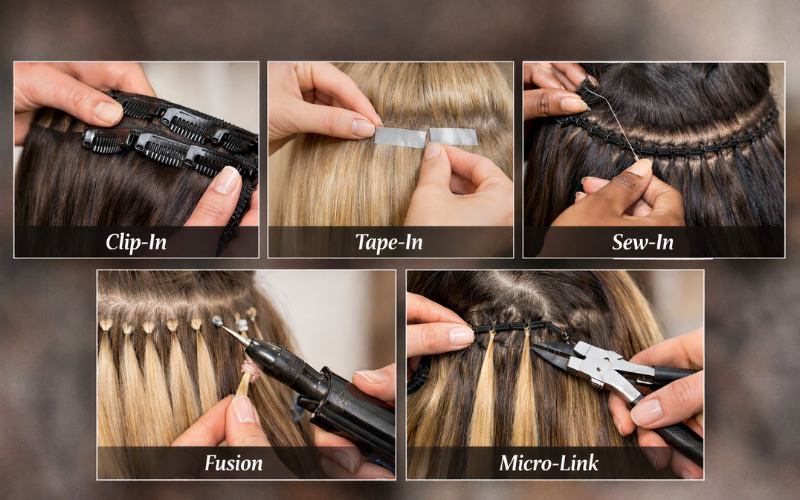
Hair extensions come in several types, each designed for different needs and hair types:
- Clip-In Extensions – Temporary and easy to use, ideal for beginners or special occasions.
- Tape-In Extensions – Semi-permanent, great for thin or fine hair.
- Sew-In (Weave) Extensions – Long-lasting and best suited for thick hair.
- Fusion / Pre-Bonded Extensions – Provide a natural look and last longer, but require professional application.
- Micro-Link / Micro-Bead Extensions – Installed without heat or glue, reusable, and blend naturally.
- Wigs – Full coverage, versatile, and protective for natural hair.
Human Hair vs Synthetic Hair
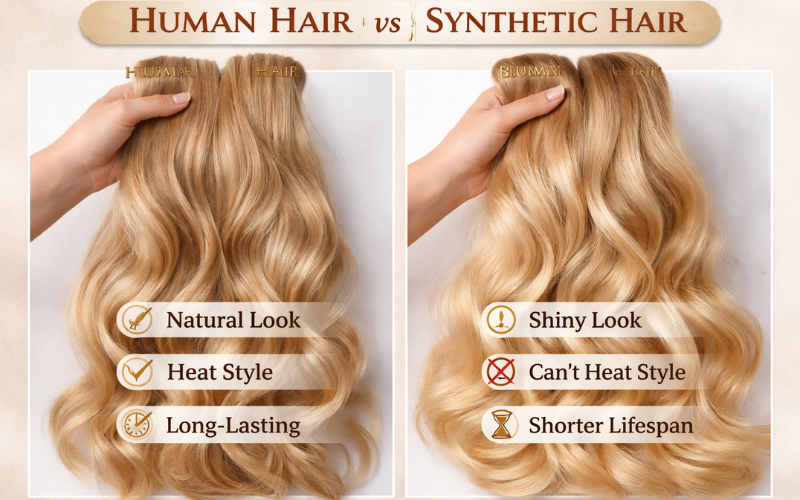
Hair extensions can be made from human hair or synthetic fibers.
- Human Hair Extensions: Look and feel natural, can be styled with heat tools, and last longer.
- Synthetic Hair Extensions: More affordable, but limited in styling and may not blend as naturally as human hair.
Choosing the right type of hair and extension method is key to getting a seamless, natural look that suits your hair texture and lifestyle.
What Is the Best Type of Hair Extensions?
If you are wondering what is the best type of hair extensions, the answer depends on three main factors: your hair type, budget, and how long you want the extensions to last.
- Tape-in extensions are ideal for thin or fine hair because they are lightweight and blend seamlessly.
- Clip-in extensions are perfect for beginners who want a quick and temporary solution without professional help.
- Sew-in (weave) extensions work best for thick hair and provide long-lasting volume and length.
- Fusion (keratin bond) extensions are suitable for those looking for a long-term, natural-looking result.
By choosing the right type for your hair and lifestyle, you can achieve beautiful, voluminous hair without causing damage. This quick guide helps you pick the best extensions that match your needs and give a natural look every time.
Different Types of Hair Extensions
When it comes to transforming your hair, knowing the different types of hair extensions is key. Each type offers unique benefits, and the right choice depends on your hair type, lifestyle, and styling goals. Here’s a detailed breakdown of the most popular hair extensions available today.
Clip-In Hair Extensions
Best for: Beginners or temporary use
Pros:
- Quick and easy to apply at home
- Non-damaging to natural hair
- Can be removed anytime
- Affordable and reusable
Cons:
- Not ideal for daily wear
- Can slip if not secured properly
- Less natural for very thin or short hair
How long they last:
With proper care, clip-in hair extensions can last 6–12 months, depending on the quality of hair and frequency of use.
Tape-In Hair Extensions
Best for: Thin or fine hair
Pros:
- Lightweight and comfortable
- Blends naturally with real hair
- Lasts 6–8 weeks before repositioning
- Reusable with professional maintenance
Cons:
- Requires professional application for best results
- Not ideal for very oily hair (may slip)
- Cannot be styled with excessive heat
Maintenance Tips:
- Use sulfate-free shampoos
- Avoid applying conditioner near the tape
- Brush gently to avoid lifting
Sew-In (Weave) Hair Extensions
Best for: Thick hair or long-term styles
Pros:
- Long-lasting and secure
- Works well with thick or coarse hair
- Allows versatile styling
Cons:
- Needs professional stylist
- Can be heavy for fine hair
- Regular maintenance required to prevent matting
Micro Link Hair Extensions
No glue or heat – small metal or silicone beads attach extensions
Pros:
- Reusable and gentle if installed correctly
- Can last 2–3 months
- Allows natural movement of hair
Cons:
- Professional application recommended
- Beads can slip if not maintained
- Time-consuming installation
Fusion (Keratin Bond) Hair Extensions
Most natural look – keratin bonds fuse with natural hair
Pros:
- Extremely natural appearance
- Lasts 2–3 months
- Ideal for long-term hairstyles
Cons:
- Expensive compared to other types
- Requires professional application
- Heat is used for bonding, so care is needed
Wigs
Pros:
- Instant length and volume
- No damage to natural hair
- Great for experimenting with colors and styles
Cons:
- Can feel heavy
- Needs proper fit and care for natural look
- Less durable than bonded extensions
Pros and Cons of Each Hair Extension Type
When choosing the best type of hair extensions, it’s important to understand the pros and cons of each method. Not all extensions are suitable for every hair type, lifestyle, or budget. The table below summarizes the lasting time, ideal hair type, and damage level for each popular extension type. This makes it easier to decide which one works best for you.
| Extension Type | Lasts | Best For | Damage Level |
| Clip-in | 6–12 months | Beginners | Low |
| Tape-in | 6–8 weeks | Thin hair | Low |
| Sew-in | 6–10 weeks | Thick hair | Medium |
| Fusion | 2–3 months | Long-term | Medium |
| Micro-link | 2–3 months | Natural look | Medium |
Quick Explanation of Each Type
- Clip-in Extensions: Easy to apply and remove, perfect for beginners or occasional use. Low damage and flexible styling.
- Tape-in Extensions: Ideal for thin hair, gives a natural look, and is reusable. Requires professional installation for best results.
- Sew-in Extensions: Works well with thick hair and provides long-lasting volume, but can put stress on hair if removed incorrectly.
- Fusion Extensions: Offers a natural look and long-term wear. Best for people who want a seamless style, but requires careful maintenance.
- Micro-link Extensions: Great for a natural, glue-free look. Needs regular adjustment and maintenance to avoid hair damage.
Best Hair Extensions for Different Hair Types
Choosing the right hair extensions depends largely on your natural hair type. Using the best type of hair extensions for your specific hair ensures a natural look, comfort, and longevity. Let’s explore the top options for different hair types.
Best Hair Extensions for Thin Hair
Thin or fine hair requires extensions that are lightweight and gentle to prevent damage.
Recommended types:
- Tape-In Extensions – Very light, lay flat, blend seamlessly. Last 6–8 weeks.
- Clip-In Extensions – Easy to remove, minimal tension on roots, perfect for temporary volume.
Tips: Avoid heavy sew-in or fusion extensions on thin hair as they can pull and damage your strands.
Best Hair Extensions for Thick Hair
Thick hair can handle more substantial extensions that provide extra length or volume.
Recommended types:
- Sew-In (Weave) Extensions – Strong hold, lasts longer, great for heavy hair.
- Fusion Extensions – Bonded with keratin, perfect for long-term styling.
Tips: Thick hair may require more pieces for full coverage, so consult a professional stylist.
Best Hair Extensions for Short Hair
Short hair needs extensions that blend without looking obvious.
Recommended types:
- Clip-In Extensions – Easy to layer and remove, ideal for experimenting with length.
- Tape-In Extensions – Works well with layered short hairstyles for a natural finish.
Tips: Choose extensions slightly shorter than your desired length to blend seamlessly.
Best Hair Extensions for Volume
If you want fuller, bouncy hair, focus on volume-enhancing options.
Recommended types:
- Clip-In Extensions – Add instant volume for special occasions.
- Micro Link Extensions – Adjustable and reusable, create thicker hair over time.
Tips: Spread the extensions evenly to avoid clumping and create natural fullness.
Best Hair Extensions for Length
For those aiming for long, flowing hair instantly:
Recommended types:
- Fusion Extensions – Long-lasting, blend naturally with your hair.
- Sew-In Extensions – Great for thick or textured hair needing extra length.
Tips: Always match the extension length with your lifestyle; very long extensions require more maintenance.
Human Hair vs Synthetic Hair Extensions
When choosing the best type of hair extensions, one of the first decisions is whether to go for human hair extensions or synthetic hair extensions. Both have their advantages, but understanding their differences will help you make the right choice for your hair type and styling needs.
Differences
- Human Hair Extensions: Made from real human hair, these extensions look natural and blend seamlessly with your own hair. They can be dyed, styled with heat, and treated like your natural hair.
- Synthetic Hair Extensions: Made from artificial fibers, synthetic extensions are often pre-styled and cannot be colored or heat-styled. They are less flexible but come ready to wear in various styles and colors.
Which Is Better?
- If you want a natural look and the ability to style your extensions, human hair extensions are the better choice.
- For temporary or budget-friendly options, synthetic hair extensions are fine, but they have a shorter lifespan and limited styling flexibility.
Price Difference
- Human Hair: Usually more expensive due to quality and durability, ranging from $100 to $1500 depending on type and length.
- Synthetic Hair: More affordable, often ranging from $20 to $200, but may need replacing sooner.
Styling Difference
- Human Hair: Can be curled, straightened, colored, and treated like your natural hair. Great for long-term use.
- Synthetic Hair: Holds its pre-set style but cannot handle heat styling or coloring. Best for short-term or occasional use.
Pro Tip: For everyday wear and a natural look, investing in human hair extensions is worth it. Synthetic extensions are perfect for a quick style change or costume looks.
How Long Do Hair Extensions Last?
The lifespan of hair extensions depends on the type you choose, how well you care for them, and your natural hair condition. Understanding how long each type lasts can help you pick the best option for your needs. Here’s a detailed look:
Clip-In Hair Extensions
Clip-in extensions are temporary and perfect for beginners. You can wear them for a day or several hours at a time and remove them easily. With proper care, high-quality clip-ins can last 6–12 months, but they should not be worn overnight. Clip-ins are ideal for occasional use or special events.
Tape-In Hair Extensions
Tape-in extensions are semi-permanent and stick to your hair with medical-grade adhesive. They can last 6–8 weeks before needing reapplication. These extensions are lightweight and blend naturally, making them great for thin or fine hair. Regular maintenance and gentle handling will extend their life.
Sew-In (Weave) Hair Extensions
Sew-in extensions are stitched into braided sections of your hair by a professional stylist. They are more durable and can last 6–10 weeks, depending on hair growth and care. Sew-ins are perfect for thick hair and provide a secure, long-lasting option.
Fusion (Keratin Bond) Hair Extensions
Fusion or pre-bonded extensions use keratin to attach each strand to your natural hair. These extensions can last 2–3 months with proper care. They offer a very natural look but require professional application and careful maintenance to avoid damage.
Micro-Link Hair Extensions
Micro-link or micro-bead extensions use tiny beads to attach extensions to your hair. They do not use heat or glue and can last 2–3 months before needing adjustments. They are reusable and provide flexibility but require regular professional maintenance.
Wigs
Although not technically extensions, wigs are an excellent temporary option to change your look instantly. Depending on the material (synthetic or human hair) and usage, wigs can last from 6 months to over a year. Human hair wigs last longer and can be styled like natural hair.
Do Hair Extensions Damage Your Hair?
Hair extensions can be a fantastic way to add length and volume, but many people worry about whether they might harm their natural hair. The truth is, hair extensions are generally safe if you choose the right type and care for them properly.
Safe Extensions
Some hair extensions are much safer for your hair than others. For example:
- Clip-in extensions – temporary and cause minimal stress on hair
- Tape-in extensions – lightweight and gentle if applied correctly
- Micro-link extensions – safe if properly installed and adjusted regularly
Safe extensions allow you to style your hair without pulling, breaking, or causing long-term damage. They also make it easy to remove and maintain your natural hair’s health.
Damaging Extensions
Certain hair extensions can cause damage if applied or maintained incorrectly:
- Fusion/Keratin bond extensions – can damage hair if removed improperly or if left too long
- Sew-in (weave) extensions – may cause tension on the scalp if braided too tightly
- Cheap or low-quality synthetic extensions – can tangle easily and break natural hair
The main risks include hair breakage, hair loss, and scalp irritation, usually caused by improper installation, heavy extensions, or poor aftercare.
Tips to Avoid Damage
- Choose extensions based on your hair type and strength.
- Always get extensions installed by a professional stylist.
- Avoid leaving extensions in longer than recommended.
- Use gentle, sulfate-free hair products for washing and styling.
- Detangle your hair carefully with a soft brush.
- Give your natural hair breaks between extensions to stay healthy.
With the right type of hair extensions and proper care, you can enjoy longer, fuller hair without worrying about damage.
How to Care for Hair Extensions
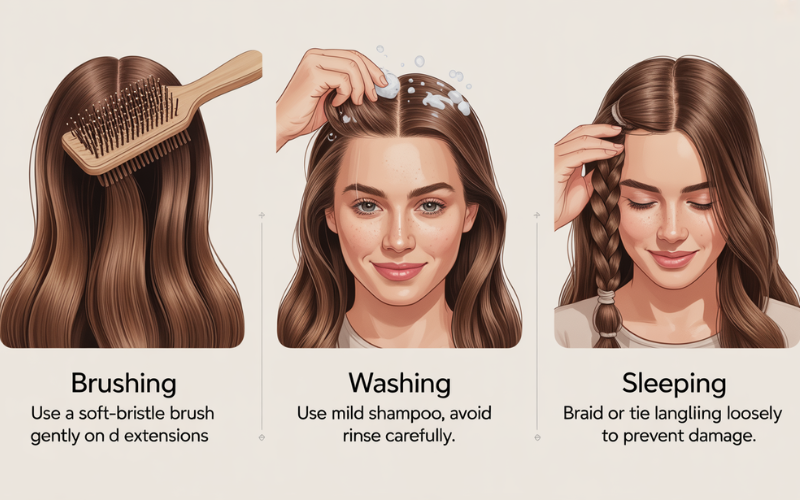
Proper care is essential to make your hair extensions last longer and look natural. Neglecting maintenance can cause tangling, shedding, or damage to both the extensions and your natural hair. Here’s a simple guide for washing, brushing, sleeping, and using products.
Washing Hair Extensions
Always use a gentle, sulfate-free shampoo to wash hair extensions. Wash them 2–3 times a week to prevent buildup of dirt and oils. Avoid rubbing the hair; instead, gently massage the shampoo down the strands. Rinse thoroughly with lukewarm water and follow with a moisturizing conditioner to keep extensions soft and shiny.
Brushing Hair Extensions
Brushing your extensions correctly prevents tangling and shedding. Use a wide-tooth comb or a brush designed for extensions. Start from the ends and slowly work your way up to the roots. Avoid pulling on the bonds, tapes, or beads, as this can loosen or damage the extensions.
Sleeping With Hair Extensions
Sleep care is important for long-lasting extensions. Tie your hair in a loose braid or ponytail before sleeping to prevent tangling. You can also use a silk or satin pillowcase to reduce friction. Avoid sleeping with wet hair, as this can cause knots and matting.
Products for Hair Extensions
Use only products suitable for extensions. Avoid heavy oils or products with sulfates, as they can weaken the bonds and tapes. Lightweight leave-in conditioners and heat protectants are ideal for maintaining softness, shine, and overall health of your extensions.
Cost of Hair Extensions in USA
The cost of hair extensions varies depending on the type, quality, and whether you’re buying them for professional application or DIY use. Understanding the price range can help you choose the best type of hair extensions that fits your budget without compromising quality.
Here’s a quick overview of the average costs for different hair extension types in the USA:
| Type | Average Cost (USD) | Notes |
| Clip-in | $100–$300 | Best for temporary use and beginners. Easy to apply at home. |
| Tape-in | $200–$600 | Semi-permanent, requires professional application for best results. |
| Sew-in (Weave) | $300–$800 | Long-lasting, ideal for thick hair. Professional installation recommended. |
| Fusion (Keratin Bond) | $500–$1500 | Premium option with natural look. Needs professional stylist. |
| Micro-link (Micro-bead) | $400–$1000 | Reusable and adjustable. Requires regular salon maintenance. |
Tips for saving on hair extensions:
- Buy high-quality human hair for longevity.
- Avoid cheap synthetic hair that tangles easily.
- Look for salon packages that include installation + maintenance.
Even though the price may seem high for premium types like fusion or micro-link, investing in quality extensions ensures a natural look, longer lifespan, and less damage to your hair.
gentle if maintained properly.
FAQs
What hair extensions last the longest?
Fusion (keratin bond) extensions generally last the longest, around 2–3 months. Sew-in extensions can last up to 10 weeks, while tape-in extensions need reapplication every 6–8 weeks. Clip-ins last the longest overall only if stored and used carefully, but they are temporary.
Are hair extensions good for thin hair?
Yes! Thin or fine hair can benefit from tape-in or clip-in extensions. These types are lightweight, blend naturally, and add volume without putting too much strain on your natural hair.
Can you wash your hair with extensions?
Yes, but you must be careful. Use sulfate-free shampoo and avoid rubbing or tugging the extensions. Clip-ins can be removed before washing your hair, while tape-in, fusion, and micro-link extensions can be washed gently in place. Always comb extensions carefully when wet.
How long do hair extensions last?
The lifespan depends on the type:
- Clip-in: 6–12 months (with occasional use)
- Tape-in: 6–8 weeks
- Sew-in: 6–10 weeks
- Fusion: 2–3 months
- Micro-link: 2–3 months
- Wigs: 6 months – 1+ year depending on quality
Final Verdict: Which Hair Extension Is Best for You?
Choosing the best type of hair extensions depends on your hair type, lifestyle, and the look you want to achieve. Here’s a clear guide to help you make the right choice:
- Best Overall: Tape-in Hair Extensions
Tape-in extensions offer a perfect balance of natural look, durability, and ease of use. They are lightweight, blend seamlessly with natural hair, and are ideal for most hair types, including thin and medium hair. - Best Budget Option: Clip-In Hair Extensions
If you are looking for a temporary solution or want to experiment with longer hair without a big investment, clip-ins are the way to go. They are easy to apply, reusable, and perfect for special occasions. - Best Long-Term Solution: Fusion (Keratin Bond) Hair Extensions
Fusion extensions are ideal for those who want a long-lasting and natural-looking style. With proper maintenance, they can last 2–3 months and provide a seamless, professional look. - Best for Thick Hair: Sew-In (Weave) Hair Extensions
Sew-in extensions are perfect for thick hair. They offer durability and hold well, making them suitable for those who want a secure, long-lasting style without worrying about slippage. - Best for Thin Hair: Tape-In Hair Extensions
For fine or thin hair, tape-in extensions are gentle, lightweight, and blend naturally without putting too much stress on your natural strands. They are the safest choice for maintaining hair health while adding volume and length.
Choosing the right type of hair extension ensures not only a beautiful look but also maintains the health of your natural hair. Always consider your hair type, lifestyle, and maintenance preferences before making a decision.
Leave a Reply