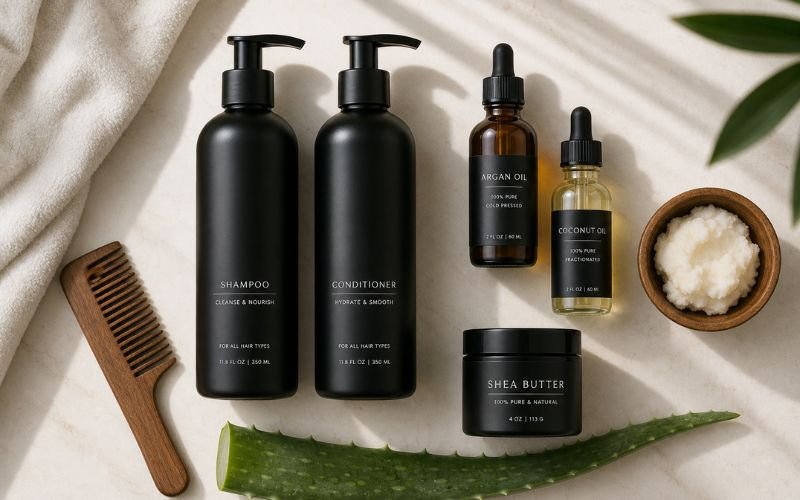
Finding the right black hair care products doesn’t have to be overwhelming. With so many options available—shampoos, conditioners, oils, and styling creams—it’s easy to feel confused, especially if you’re just starting your hair care journey. The truth is, black hair has unique needs that require the right balance of moisture, gentle care, and suitable ingredients.
Black hair can be curly, coily, or kinky, and it often needs extra hydration to stay healthy and strong. Choosing the wrong products can lead to dryness, breakage, or buildup, while the right ones can make your hair softer, more manageable, and easier to maintain.
This beginner-friendly guide is designed to simplify everything for you. Instead of guessing what works, you’ll get clear and practical knowledge to build a routine that actually suits your hair.
What You Will Learn
- The different types of black hair care products and their uses
- Key ingredients to look for (and what to avoid)
- How to choose products based on your hair type
- Simple tips for using products safely and effectively
What Makes Black Hair Unique?
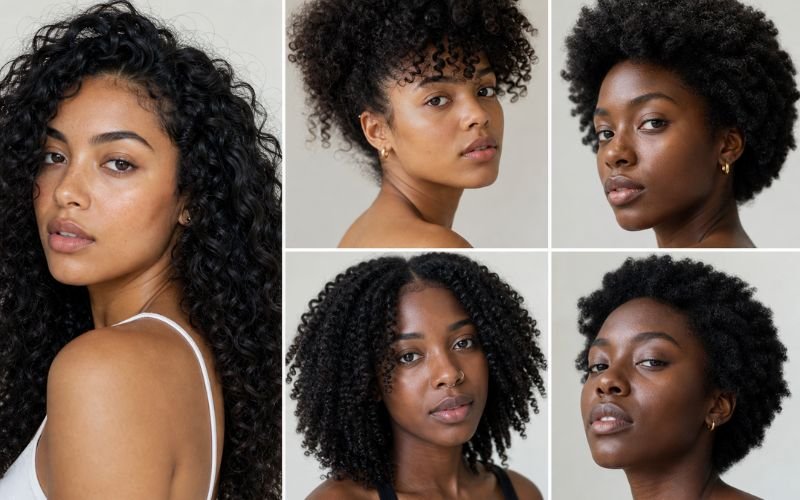
Before choosing products, it’s important to understand why black hair needs special care. Black hair is often curly, coily, or kinky in texture, and it has unique characteristics that affect how it should be treated.
Black hair tends to:
- Be naturally dry because oils from the scalp don’t travel easily down the hair shaft
- Have tighter curls or coils, which can make it more delicate and prone to tangling
- Experience shrinkage, where the hair appears shorter than its actual length due to tight curl patterns
- Have different levels of hair porosity (low, medium, or high), which affects how well the hair absorbs and retains moisture
- Be more prone to breakage if not handled gently
Understanding hair porosity:
- Low porosity: Hair resists moisture, so lightweight, water-based products work best
- Medium porosity: Hair maintains a good balance of moisture and strength
- High porosity: Hair absorbs moisture quickly but loses it just as fast, so richer, sealing products are helpful
Because of these factors, black hair care products are usually designed to:
- Add and lock in moisture
- Reduce breakage and protect fragile strands
- Improve manageability and make styling easier
By understanding these basics, it becomes much easier to choose products that truly support your hair’s health.
How to Test Your Hair Porosity (The Float Test)
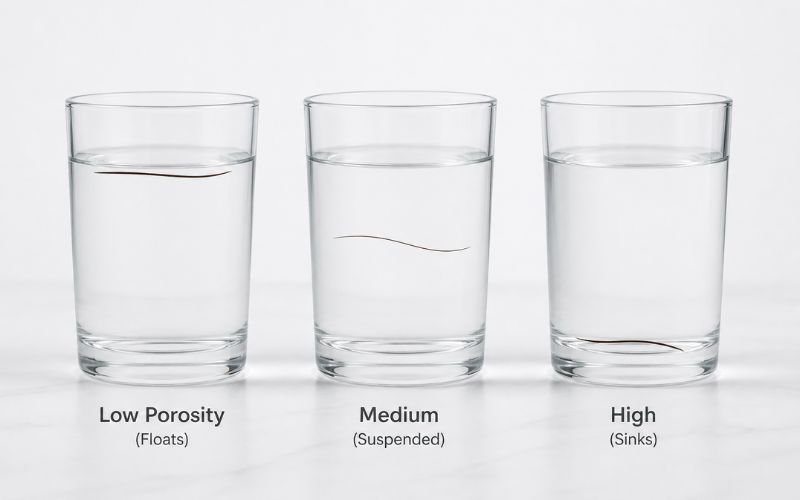
Before you start choosing black hair care products, there’s one important thing you should know—your hair porosity. It simply means how well your hair absorbs and holds moisture.
Understanding this can make a big difference in choosing the right products for your hair.
The 2-Minute Float Test
You can easily test your hair porosity at home:
- Take a clean, dry strand of your hair
- Drop it into a glass of room-temperature water
- Wait for about 2–4 minutes
What Your Results Mean
Low Porosity (The Floater)
If your hair floats on top of the water:
- Your hair does not absorb moisture easily
- Products can sit on the surface instead of going inside
What to use:
- Lightweight, water-based products (like hair milks or sprays)
- Avoid heavy creams, butters, and waxes
High Porosity (The Diver)
If your hair sinks quickly:
- Your hair absorbs moisture fast but loses it just as quickly
- It may feel dry or frizzy often
What to use:
- Rich, thick products like shea butter or castor oil
- Products that help seal and lock in moisture
Simple Tip:
Knowing your hair porosity is like having a shortcut to better hair care. It helps you avoid wasting money on products that don’t work for your hair.
Types of Black Hair Care Products
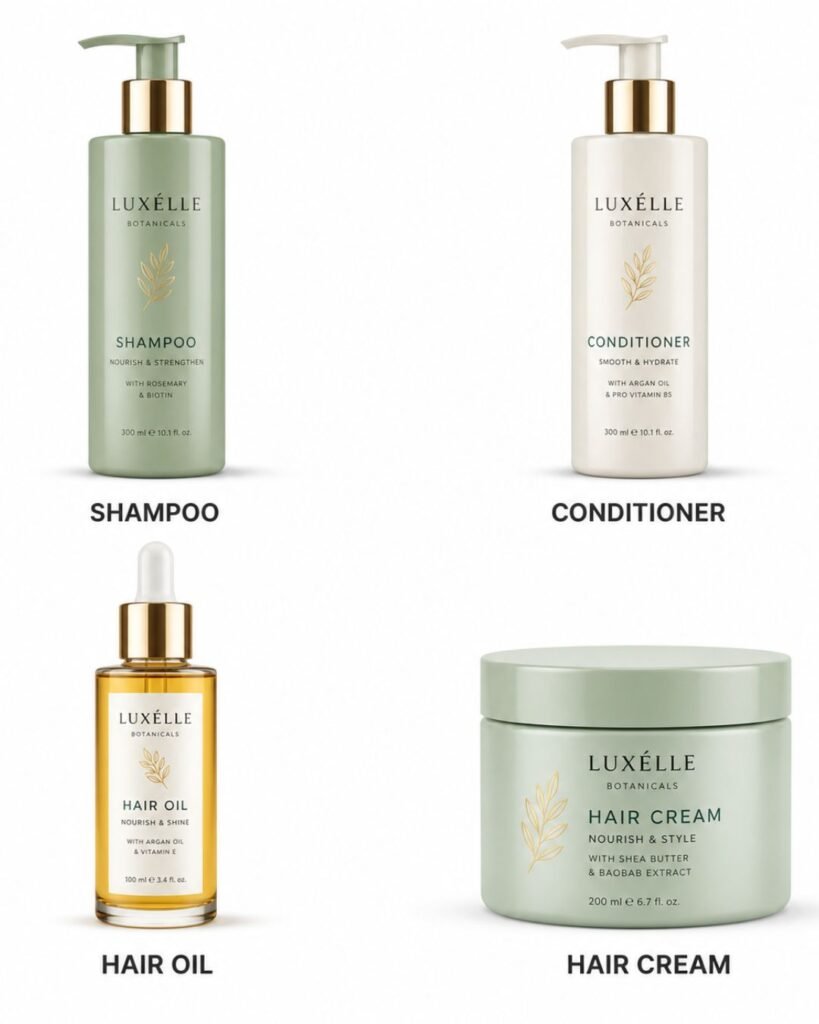
To make things simple, here’s a quick overview of the most common black hair care products and how to use them:
| Product Type | Primary Purpose | When to Use |
| Shampoo | Cleanse scalp and hair | Weekly / Bi-weekly |
| Conditioner | Soften and detangle hair | After every wash |
| Hair Oils | Seal moisture and add shine | Daily / As needed |
| Creams & Butters | Moisturize and define curls | Daily / As needed |
| Styling Products | Hold styles and reduce frizz | As needed |
Now, let’s understand each product in detail:
1. Shampoos
Shampoos are used to clean the scalp and remove dirt, oil, and product buildup. A good shampoo keeps your scalp fresh without drying out your hair.
What to look for:
- Sulfate-free formulas (gentler on hair)
- Moisturizing ingredients like aloe vera or glycerin
Example:
A moisturizing shampoo that cleans your hair while keeping natural oils intact.
2. Conditioners
Conditioners help soften the hair and make it easier to detangle, which reduces breakage.
Types of conditioners:
- Rinse-out conditioner: Used right after shampoo
- Leave-in conditioner: Provides extra moisture throughout the day
- Deep conditioner: Used once a week for intense hydration
Example:
A deep conditioner with natural oils can help repair dry and damaged hair over time.
3. Hair Oils
Hair oils are important for locking in moisture and adding natural shine to your hair.
Common oils used:
- Coconut oil
- Argan oil
- Castor oil
How they help:
- Reduce dryness
- Strengthen hair
- Improve shine
4. Hair Creams and Butters
These are thicker products designed to deeply moisturize and help with styling.
Examples:
- Shea butter creams
- Curl creams
Benefits:
- Define curls
- Reduce frizz
- Keep hair soft and manageable
5. Styling Products
Styling products help hold your hairstyle and enhance your hair’s natural texture.
Common types:
- Gels
- Mousses
- Edge control products
Tip:
Choose alcohol-free options to avoid dryness and maintain healthy hair.
Common Ingredients in Black Hair Care Products
Understanding ingredients helps you choose products that actually work for your hair. Instead of just looking at labels, it’s useful to know why certain ingredients are good or not so good.
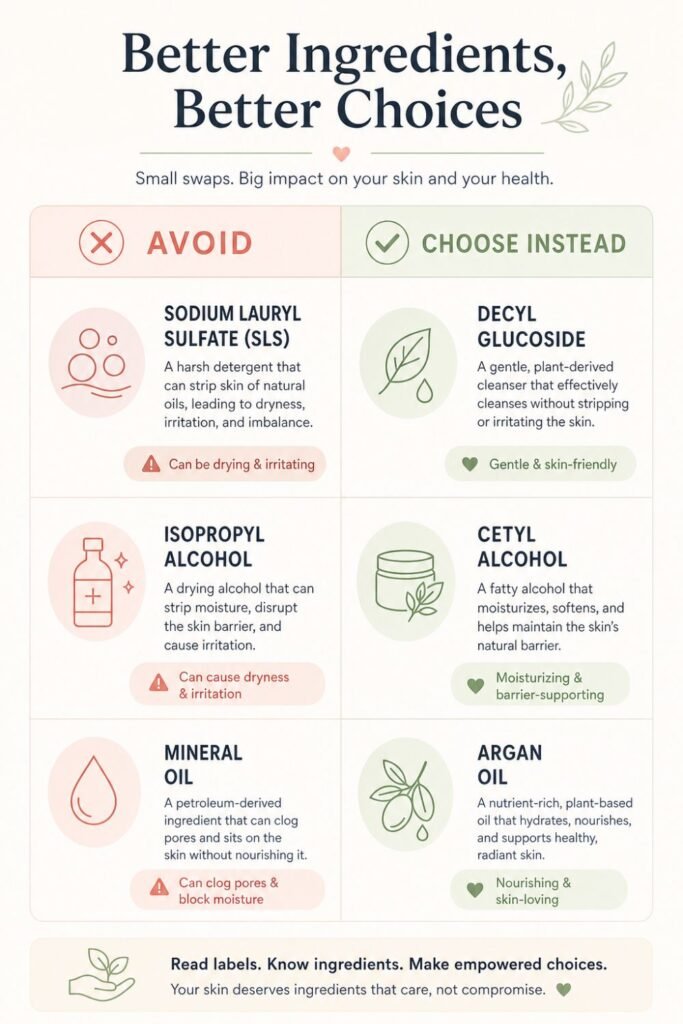
Ingredient Cheat Sheet: What to Avoid and What to Use Instead
If you feel confused while reading product labels, this simple guide can help you make better choices quickly:
| Avoid These (Harsh) | Look For These (Gentle) | Why It’s Better |
| Sodium Lauryl Sulfate | Decyl Glucoside | Cleanses hair without stripping natural oils |
| Isopropyl Alcohol | Cetyl/Stearyl Alcohol | These are “fatty” alcohols that help moisturize instead of dry out hair |
| Mineral Oil | Jojoba or Argan Oil | Natural oils can nourish and penetrate the hair, while mineral oil mostly sits on top |
Tip:
When buying products, try to scan the ingredient list using this table. Over time, it becomes easier to identify what’s good for your hair.
Moisturizing Ingredients
These ingredients help keep your hair hydrated by attracting or holding moisture.
- Glycerin
Glycerin is a humectant, which means it pulls moisture from the air into your hair. This helps keep black hair soft and prevents dryness, especially in humid conditions. - Aloe Vera
Aloe vera is known for its soothing and hydrating properties. It helps calm the scalp, reduce irritation, and add light moisture without making hair greasy. - Honey
Honey is a natural humectant. It locks in moisture and also adds a natural shine to the hair, making it look healthier.
Natural Oils
These oils don’t add moisture directly, but they seal it into your hair, which is very important for black hair care.
- Coconut Oil
Coconut oil can penetrate the hair shaft, helping reduce protein loss and strengthen the hair from within. - Olive Oil
Olive oil is rich in nutrients and helps soften hair while reducing dryness and frizz. - Jojoba Oil
Jojoba oil is very similar to the natural oil (sebum) produced by your scalp. This makes it great for balancing moisture without clogging pores.
Proteins
Proteins help repair and strengthen damaged hair strands.
- Keratin
Keratin is a natural protein found in hair. Adding it through products can help rebuild weak or damaged areas of the hair. - Silk Protein
Silk protein smooths the hair cuticle, making hair feel softer and easier to manage.
Important:
Too much protein can make hair feel hard or brittle. It’s important to balance protein with moisture for healthy hair.
Ingredients to Be Careful With
Some ingredients are not always harmful, but using them too often can cause problems—especially for dry or fragile hair.
- Sulfates
Sulfates are strong cleansing agents (detergents) used in many shampoos. They create foam, but they can also strip away natural oils (sebum) from the scalp and hair, leading to dryness and breakage. - Parabens
Parabens are used as preservatives to extend shelf life. While they are approved for use in small amounts, many people prefer to avoid them and choose paraben-free products for a cleaner routine. - Drying Alcohols
Certain types of alcohol (like ethanol or isopropyl alcohol) can remove moisture from the hair, making it dry and more likely to break. It’s better to choose alcohol-free or moisturizing formulas.
How to Choose the Right Products
Choosing the right products depends on your hair type and needs.
Consider Your Hair Type
Black hair can vary from loose curls to tight coils.
- Loose curls: May need lighter products
- Tight coils: Often need heavier creams and oils
Check Your Hair’s Needs
Ask yourself:
- Is my hair dry? → Choose moisturizing products
- Is my hair weak? → Look for protein-based products
- Do I have scalp issues? → Use gentle, soothing formulas
Start Simple
If you’re a beginner, you don’t need too many products.
A basic routine can include:
- Shampoo
- Conditioner
- Leave-in conditioner
- Oil or cream
Safe Use & How to Choose: Building a Simple Hair Care Routine
Using black hair care products correctly is just as important as choosing the right ones. Instead of applying products randomly, following a simple routine can help you get better results and maintain healthy hair.
One of the most popular and effective routines is the L.O.C. method, which stands for Liquid, Oil, Cream. Another variation is the L.C.O. method (Liquid, Cream, Oil). Both methods are widely used to lock in moisture and reduce dryness.
Understanding the L.O.C. Method (Liquid, Oil, Cream)
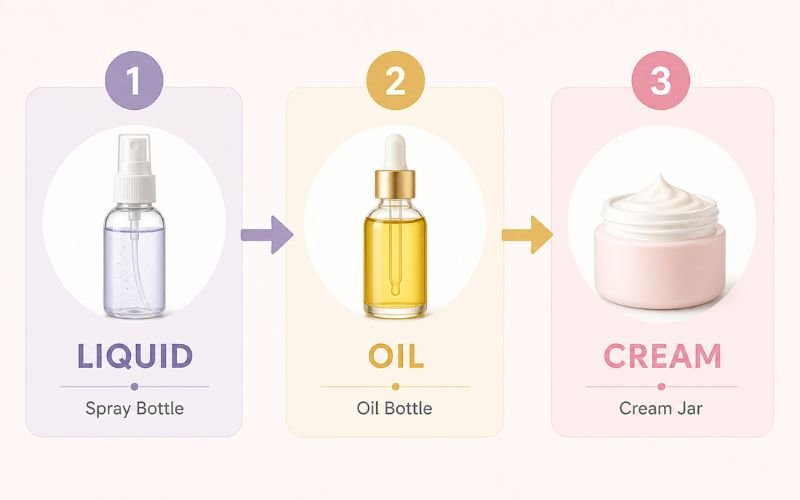
This method helps seal moisture into the hair step by step.
- Liquid (L): Start with water or a leave-in conditioner to hydrate your hair
- Oil (O): Apply oil to lock in the moisture
- Cream (C): Finish with a cream to seal everything and add softness
Best for:
- Very dry or high-porosity hair
Understanding the L.C.O. Method (Liquid, Cream, Oil)
This is a slight variation where the order is changed.
- Liquid (L): Hydrate with water or leave-in conditioner
- Cream (C): Apply a moisturizing cream
- Oil (O): Use oil at the end to seal moisture
Best for:
- Low-porosity hair or hair that gets weighed down easily
How to Use These Methods Safely
1. Avoid Overuse
Using too many products can cause buildup and make your hair feel heavy.
Tip:
Start with small amounts and adjust based on your hair’s needs.
2. Wash Hair Regularly
Even with a good routine, product buildup can block moisture from entering your hair.
Recommendation:
Wash your hair every 1–2 weeks, depending on your lifestyle and product usage.
3. Patch Test New Products
Before adding a new product to your routine, test it on a small area of your scalp or skin to avoid irritation.
4. Focus on Moisture First
Both L.O.C. and L.C.O. methods start with hydration for a reason—moisture is the foundation of healthy black hair.
Simple reminder:
Hydrate → Seal → Protect
5. Be Gentle with Your Hair
Black hair is naturally delicate, so handle it with care.
- Avoid rough brushing
- Use a wide-tooth comb
- Detangle when hair is damp, not dry
Common Mistakes to Avoid
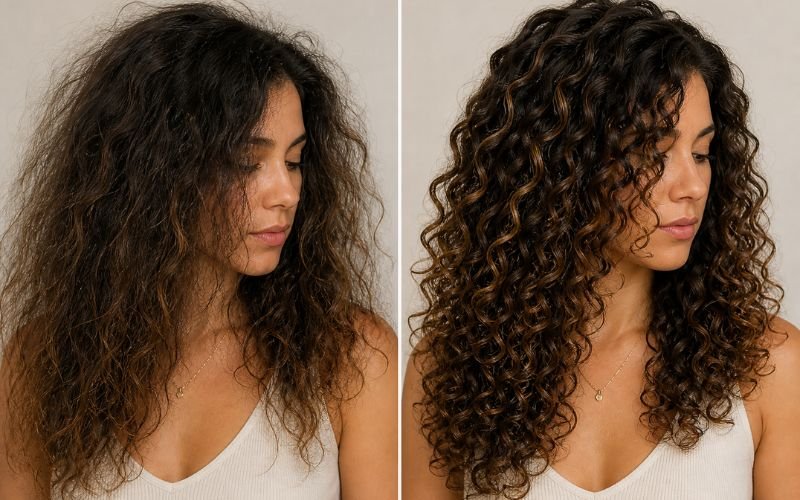
Even with a routine, beginners often make small mistakes that affect results:
- Using harsh shampoos too frequently
- Skipping conditioner or deep conditioning
- Applying too much product at once
- Ignoring scalp health
- Not following a consistent routine
Helpful Tip:
Sleep on a satin or silk pillowcase (or use a satin bonnet) to reduce friction and prevent breakage.

Conclusion
Black hair care doesn’t have to be complicated. With the right knowledge and a simple routine, you can keep your hair healthy, strong, and beautiful.
Start by understanding your hair type, choose products with helpful ingredients, and focus on moisture and gentle care. Over time, you’ll learn what works best for your hair.
Remember, consistency is more important than using too many products. Keep it simple, and your hair will thank you.
FAQs
1. What are black hair care products?
Black hair care products are shampoos, conditioners, oils, and creams made to add moisture, reduce breakage, and support the natural texture of curly, coily, or kinky hair.
2. How often should I use black hair care products?
Use shampoo every 1–2 weeks, conditioner with every wash, and leave-in products as needed to maintain moisture and manageability.
3. Are natural ingredients better for black hair?
Natural ingredients can help with moisture and nourishment, but effectiveness depends on your hair type and needs, not just whether ingredients are natural.
4. Can I use regular hair products on black hair?
Yes, but regular products may not provide enough moisture. Products made for black hair are often better suited for hydration and curl care.
5. How do I know if a product is right for me?
A good product leaves your hair soft, reduces breakage, and keeps your scalp comfortable after consistent use for a few weeks.