
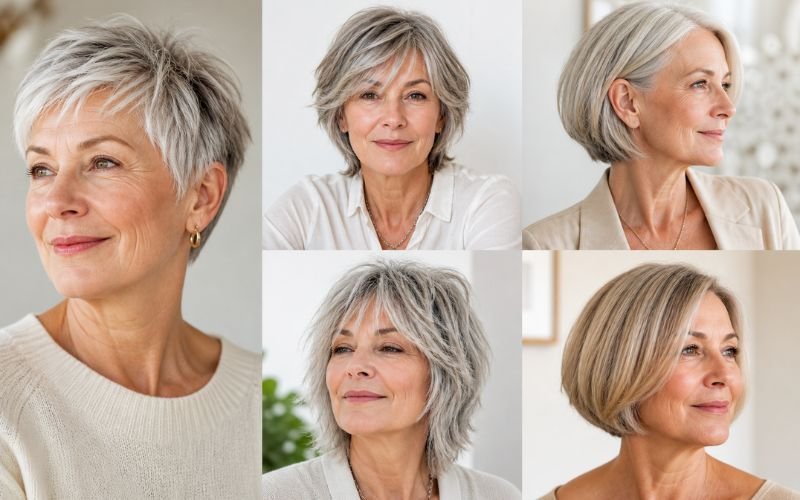
As women enter their 60s, hair often becomes finer, thinner, and more difficult to manage. Because of this, many women start looking for low maintenance hairstyles for 60-year-old women with fine hair that are easy to handle and still look stylish. Hair may lose volume, feel dry, and appear flat, making everyday styling more time-consuming than before.
But transitioning to a low-maintenance cut isn’t just about saving time—it’s also about reclaiming confidence. Choosing a hairstyle that works with your natural hair texture, instead of fighting it, can make you feel more comfortable, confident, and in control of your look.
The good news is that the right hairstyle can make a big difference. Low maintenance hairstyles are designed to reduce effort, require minimal styling, and still help you look neat and polished every day.
In this simple guide, you’ll discover the best hairstyles, easy care tips, and practical styling ideas to help your fine hair look fuller, healthier, and more manageable.
What Are the Best Low Maintenance Hairstyles for 60-Year-Old Women with Fine Hair?
The best low maintenance hairstyles include:
- Pixie cut
- Layered bob
- Soft shag cut
- Chin-length bob
- Textured crop
- Shoulder-length layers
These styles are easy to manage, add natural volume, and don’t require much daily styling.
Understanding Fine Hair After 60
Before choosing the right hairstyle, it’s important to understand what “fine hair” actually means. Fine hair refers to the thickness of each individual hair strand, not the total amount of hair on your head. This means you can have a full head of hair, but if each strand is thin, it’s still considered fine hair.
As women age, fine hair often becomes more noticeable due to natural changes in the body. One of the biggest challenges is lack of volume. Fine strands don’t hold lift easily, so hair may look flat, especially near the roots. Another common issue is breakage, since thinner strands are more fragile and can get damaged easily.
There is also a scientific reason behind these changes. After 60, the body produces less natural oil (sebum), which makes hair feel drier and rougher. Hormonal shifts, especially a decrease in estrogen levels, can also affect hair growth and thickness. In addition, reduced collagen production can weaken the hair structure, making strands appear thinner over time.
Because of these factors, hair may not only feel lighter but also lose its natural bounce and fullness. This is why certain haircut techniques matter more than ever. For example, blunt or slightly structured cuts often work better than heavily thinned ends, as they create a visual weight that fine hair naturally lacks.
Understanding these changes helps you make better choices when selecting low maintenance hairstyles for 60-year-old women with fine hair. Instead of working against your hair, the goal is to choose styles that add shape, improve volume, and make daily styling easier.
What Makes a Hairstyle Low Maintenance?
A low maintenance hairstyle is simple, practical, and easy to manage daily. It should fit naturally into your routine without taking too much time or effort.
Easy to style daily
You shouldn’t need long styling sessions. A quick brush or light blow-dry should be enough.
Requires fewer products
Heavy products can weigh fine hair down. Low maintenance styles work best with minimal or lightweight products.
Needs fewer salon visits
These hairstyles grow out nicely, so you don’t need frequent trims.
Works with natural texture
The best styles enhance your natural hair instead of fighting it, making styling easier and healthier.
10 Best Low Maintenance Hairstyles for 60-Year-Old Women with Fine Hair
1. Short Layered Bob
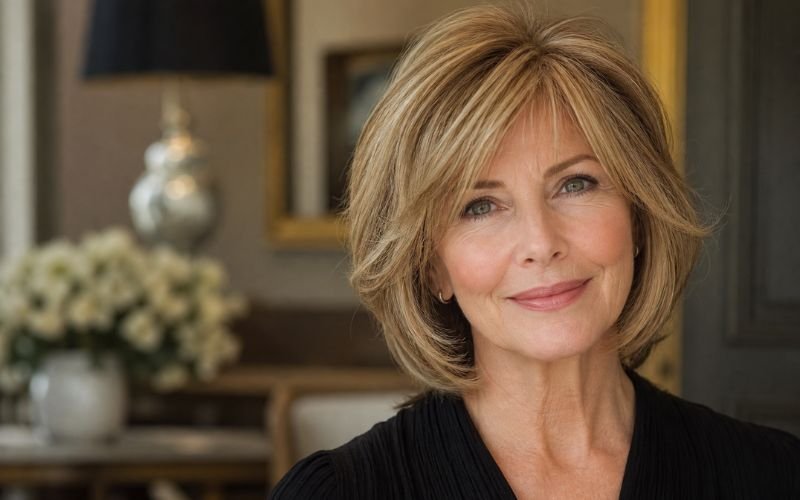
A layered bob adds movement and makes fine hair look fuller. It’s easy to style and works well for everyday wear.
Best For: Round and heart-shaped faces.
Pro Tip: Ask your stylist for soft or internal layers to add lift without making the ends look too thin.
2. Pixie Cut
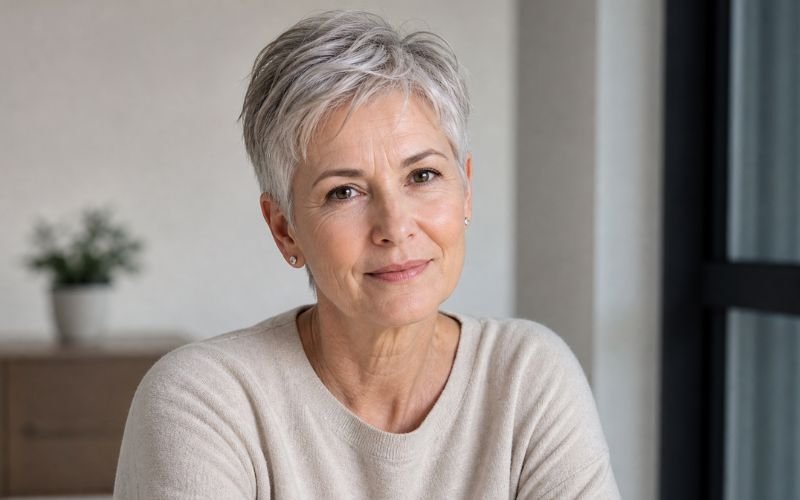
The pixie cut is one of the easiest hairstyles to maintain. It requires minimal styling and helps thin hair appear thicker.
Best For: Very fine or thinning hair.
Pro Tip: Keep the sides shorter and the top slightly longer to create height and a fuller appearance.
3. Soft Shag Cut
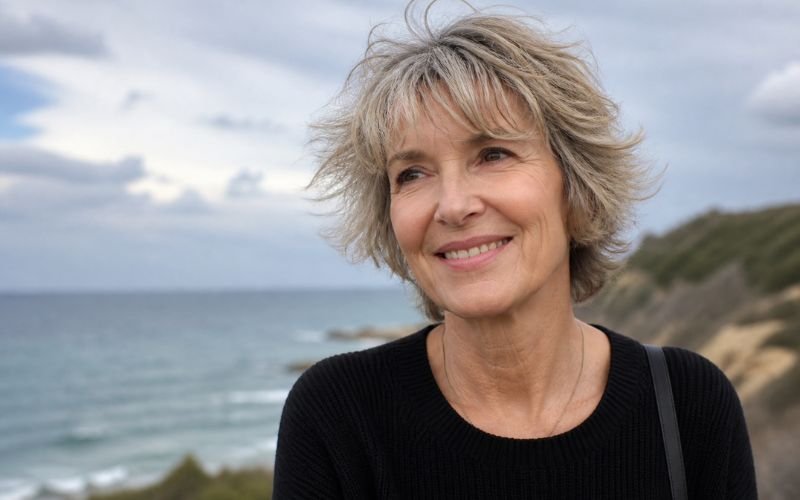
This style adds texture and a relaxed look. It works well with natural hair and doesn’t require much effort.
Best For: Women who prefer a slightly modern and effortless style.
Pro Tip: Use light layers to avoid removing too much volume from already fine hair.
4. Chin-Length Bob
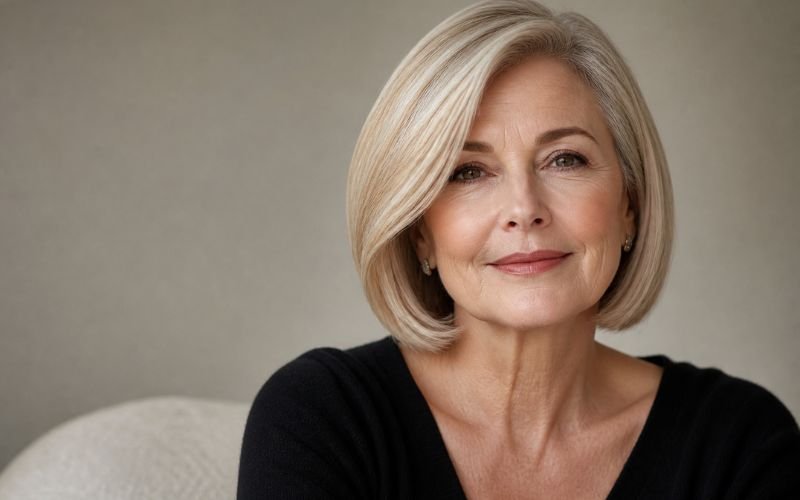
Simple and classic, this style frames the face and is easy to manage with minimal styling.
Best For: Oval and heart-shaped faces.
Pro Tip: Keep the ends slightly textured instead of blunt to avoid a flat look.
5. Textured Crop
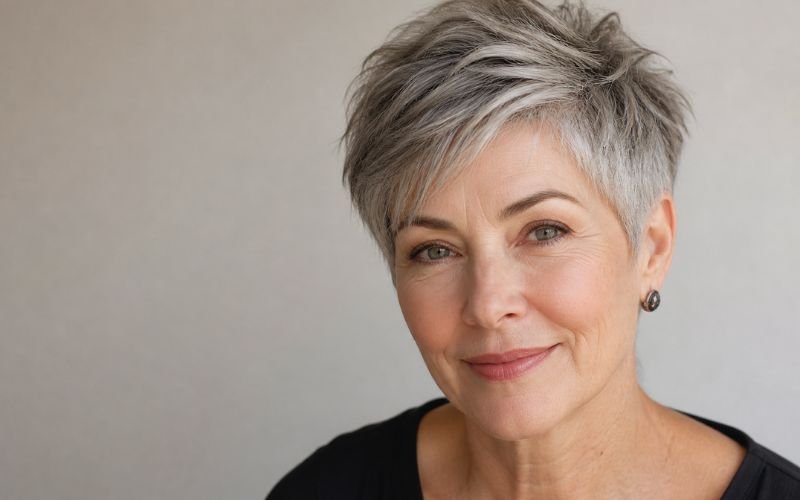
A modern cut that adds dimension and fullness. It’s practical and quick to style.
Best For: Women who want a fresh and youthful look.
Pro Tip: Add light texturizing to the top layers for extra volume without using heavy products.
6. Shoulder-Length Layers
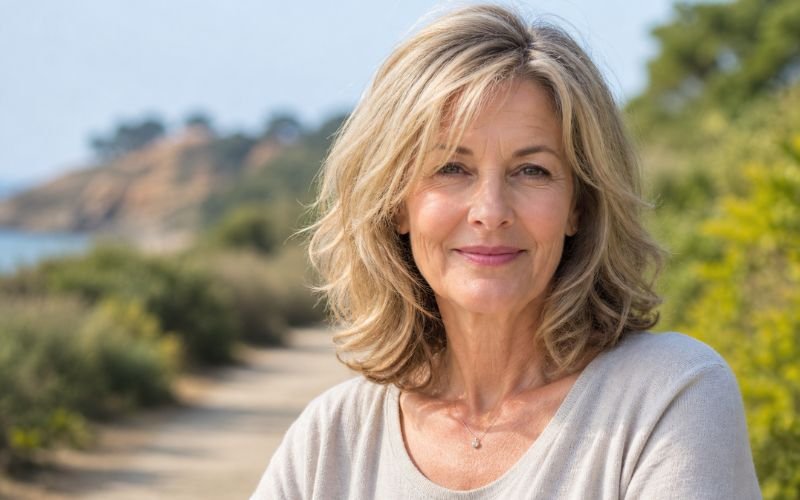
This option keeps some length while adding movement. It’s lightweight and easy to manage.
Best For: Women who don’t want very short hair.
Pro Tip: Keep layers soft and minimal to prevent the hair from looking too thin at the ends.
7. Feathered Bob
Soft feathered layers create volume and give a light, airy feel to fine hair.
Best For: Adding natural movement and softness.
Pro Tip: Blow-dry with a round brush to enhance the feathered effect and boost volume.
8. Tapered Cut
Shorter at the back and slightly longer on top, this cut adds shape and volume.
Best For: Women who want structure and easy maintenance.
Pro Tip: Keep volume at the crown area to make hair look fuller.
9. Blunt Bob (Lightweight)
A slightly blunt cut can make hair appear thicker if kept at a shorter length.
Best For: Fine hair that lacks density.
Pro Tip: Avoid making it too long, as weight can pull the hair down and reduce volume.
10. Side-Parted Short Cut
Changing the part adds instant volume and makes hair look fuller with minimal effort.
Best For: Flat or lifeless hair.
Pro Tip: Use a deep side part to create natural lift at the roots without styling tools.
Quick Comparison: Which Hairstyle is Best for You?
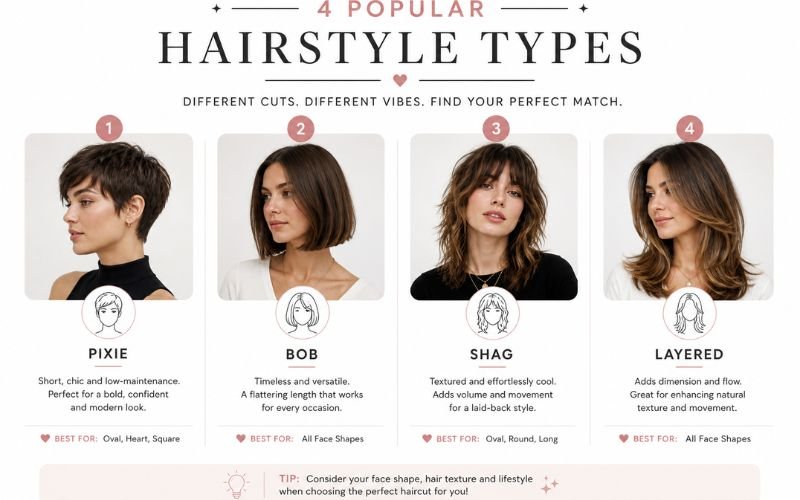
| Hairstyle | Best Face Shape | Styling Time | Key Benefit |
| Pixie Cut | Oval / Square | 2 mins | Adds maximum volume at the crown and is very easy to manage |
| Layered Bob | Round / Long | 5–10 mins | Creates soft volume and helps balance facial features |
| Soft Shag Cut | All Face Shapes | 5 mins | Adds texture and helps hide thinning areas |
| Shoulder-Length Layers | Oval / Heart | 10–15 mins | Keeps length while adding movement and light volume |
Hair Care Tips for Fine Hair After 60
Taking care of fine hair after 60 becomes easier when you use the right products and techniques. Small changes in your routine can help improve volume and keep your hair looking healthy.
Use lightweight, volumizing shampoos and conditioners
Choose products labeled as “volumizing” or “lightweight” to avoid weighing your hair down. These formulas help add lift at the roots while keeping your hair clean and fresh.
Choose the right styling products
Instead of heavy creams or oils, go for lighter options like volumizing mousse or dry texturizing sprays. These products add body and texture without making your hair look greasy or flat.
Avoid heavy ingredients
Try to avoid products that contain heavy silicones such as Dimethicone. These can coat fine hair and reduce natural volume, making it appear flat by the end of the day.
Be gentle while brushing
Fine hair is more delicate, so use a soft brush or wide-tooth comb. Start from the ends and work your way up to prevent breakage.
Trim hair every 6–8 weeks
Regular trims help maintain your hairstyle and prevent split ends, which can make fine hair look thinner.
These simple and practical tips can help you maintain volume, reduce damage, and keep your hair looking fresh and easy to manage every day.
What to Ask Your Stylist (The Consultation Guide)
Many women feel unsure or even nervous before visiting the salon—especially when trying a new hairstyle. The right haircut depends not just on the style you choose, but also on how clearly you communicate with your stylist. A simple conversation can make a big difference in getting the results you want.
To make things easier, here are a few helpful phrases you can use during your consultation:
1. “Can we do a blunt perimeter to make my ends look thicker?”
A blunt cut at the ends helps fine hair appear fuller and healthier. This is especially useful if your hair tends to look thin at the bottom.
2. “I’d like face-framing layers that start at the cheekbones.”
Soft layers around the face can add shape and movement without removing too much volume from the rest of your hair.
3. “Please avoid using a razor; it can make my fine hair look frizzy.”
Razor cuts can sometimes create frayed ends in fine hair. Asking for scissor cutting helps maintain a smoother and more polished look.
By using these simple phrases, you can guide your stylist more confidently and ensure your haircut matches your expectations. Clear communication leads to better results and a hairstyle that’s easier to maintain every day.
Styling Tips to Add Volume Easily
- Blow-dry upside down for lift
- Use a round brush for shape
- Try rollers for extra volume
- Change your parting style
- Avoid too much heat styling
These small tricks can make a big difference without extra effort.
Common Mistakes to Avoid
- Using heavy products
- Keeping hair too long
- Skipping trims
- Overusing heat tools
Avoiding these mistakes helps maintain a fuller and healthier look.
How to Choose the Right Hairstyle for You
Face shape matters
Choose styles that balance your facial features.
Lifestyle matters
Pick a hairstyle that fits your daily routine.
Hair type matters
Work with your natural texture for easy styling.
Comfort matters
Always choose a style that feels right for you.
Conclusion
Choosing the right low maintenance hairstyles for 60-year-old women with fine hair can make a real difference in your daily routine. The right haircut not only saves time but also helps your hair look fuller, healthier, and easier to manage.
Instead of focusing on complicated styles, the goal should be simplicity and comfort. Hairstyles that work with your natural texture require less effort and still give a neat, stylish appearance every day.
Final Takeaway
If you want the easiest option, go for a short layered style like a pixie or bob. These cuts naturally add volume, reduce styling time, and are the most practical choice for fine hair after 60.
FAQs
1. What is the easiest hairstyle for fine hair after 60?
Short styles like pixie cuts and layered bobs are the easiest to manage and require minimal styling.
2. Can fine hair look thicker with the right haircut?
Yes, layered and textured styles can create the illusion of fuller hair by adding movement and dimension.
3. How often should women over 60 cut their hair?
Every 6–8 weeks to maintain shape and prevent split ends, especially for shorter styles.
4. What length is best for fine hair after 60?
Short to medium lengths work best as they add volume and prevent hair from looking flat or weighed down.
5. How can I add volume to fine hair easily?
Use simple techniques like blow-drying upside down, changing your part, or using lightweight volumizing products.
6. Should I go gray or keep coloring my fine hair?
Gray hair is often slightly coarser and can appear thicker than pigmented hair. Letting your natural gray or silver grow in may help create more natural volume. However, the best choice depends on your personal style, comfort, and how you prefer your overall look.
Leave a Reply