Harlem Renaissance fashion was more than a collection of clothing trends—it was a visual expression of identity, ambition, and cultural pride. During the 1920s and early 1930s, Harlem became the heart of a powerful artistic movement that transformed American culture through music, literature, theater, art, and style.
While writers created new voices, musicians introduced revolutionary sounds, and artists challenged traditional ideas, fashion became another powerful form of storytelling. The clothes people wore communicated confidence, creativity, and a desire to define themselves on their own terms.
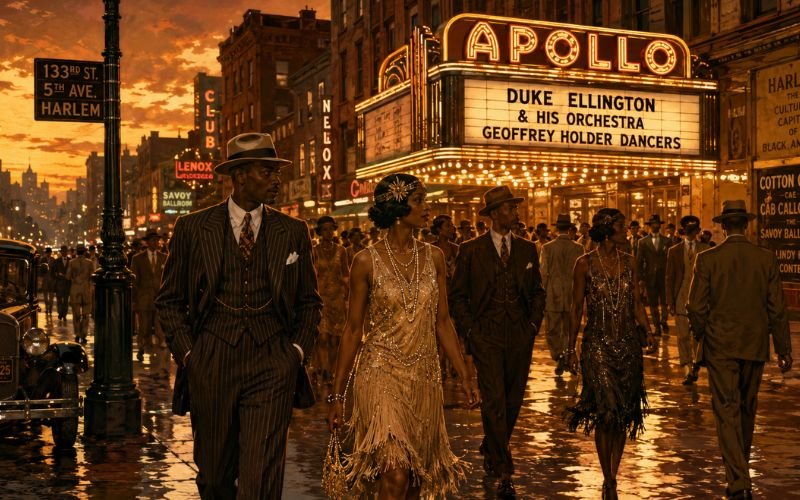
Men stepped into Harlem’s streets wearing carefully tailored suits, polished leather shoes, and distinctive hats. Women embraced glamorous dresses featuring fringe, beads, sequins, and luxurious fabrics that moved beautifully in jazz clubs and social gatherings. Every outfit carried meaning, from a professional suit worn for success to an elegant gown worn for an evening of celebration.
This pursuit of elegance carried deeper weight than fashion alone. For generations, Black Americans had been denied the dignity of self-presentation, their clothing dictated by poverty and prejudice rather than personal choice. In Harlem, fashion became quiet resistance—a daily, visible reclaiming of identity in a world that constantly sought to diminish it. Every tailored suit and beaded gown was a statement: dignity could not be legislated away.
The Harlem Renaissance created a new image of Black excellence. Fashion became a way to challenge stereotypes, celebrate achievements, and show the world a community filled with creativity and sophistication.
Nearly a century later, the influence of 1920s Harlem Renaissance fashion remains visible in luxury fashion, streetwear, vintage styling, and modern cultural movements. Designers continue to draw inspiration from the era’s bold silhouettes, refined tailoring, Art Deco influences, and unforgettable personalities.
This guide explores the history of fashion in the Harlem Renaissance, including men’s clothing, women’s styles, accessories, hairstyles, fashion icons, and the lasting impact of Harlem Renaissance style.
Harlem Renaissance Fashion at a Glance
| Fashion Element | Popular Styles |
| Men’s Clothing | Three-piece suits, double-breasted jackets, fedoras, pocket watches |
| Women’s Clothing | Flapper dresses, silk gowns, fringe designs, beaded outfits |
| Popular Fabrics | Silk, satin, velvet, wool, linen, cotton |
| Accessories | Pearls, gloves, Art Deco jewelry, handbags |
| Hairstyles | Finger waves, bob cuts, slicked-back styles |
| Major Influences | Jazz culture, Art Deco, Black creativity, social change |
What Was Harlem Renaissance Fashion?
Harlem Renaissance fashion refers to the clothing, accessories, hairstyles, and beauty trends that developed among African Americans during the Harlem Renaissance, a cultural movement that flourished primarily between the 1920s and 1930s.
Centered in Harlem, New York City, the movement represented a period of extraordinary creativity. Writers, musicians, artists, performers, and entrepreneurs built a cultural identity that celebrated Black achievement and challenged long-standing stereotypes.
Fashion became an important part of this transformation.
For many people during this period, clothing was not simply about appearance. It was a statement about dignity, progress, and personal freedom. A carefully fitted suit or beautifully designed dress showed that Black Americans could define their own image despite social barriers.
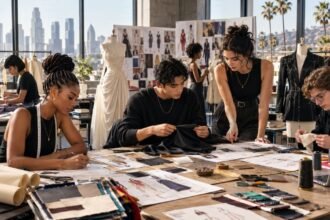
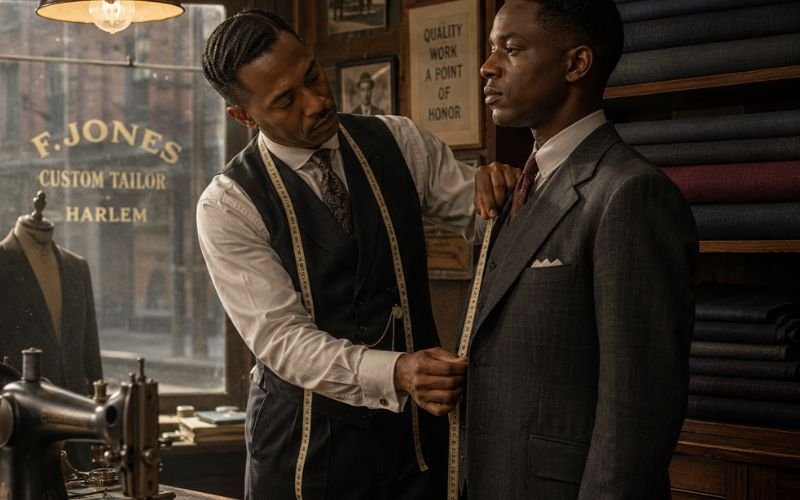
The rise of Black-owned businesses also played a major role in shaping Harlem Renaissance style. Tailors, dressmakers, milliners, and beauty professionals created services that allowed people to experiment with fashion and develop unique personal styles.
The defining qualities of Harlem Renaissance fashion included:
- Precise tailoring
- High-quality fabrics
- Artistic details
- Statement accessories
- Elegant silhouettes
- Careful grooming
Unlike fashion movements based only on trends, Harlem Renaissance style carried cultural meaning. Clothing became a way for individuals to express confidence and celebrate their heritage.
The History of Fashion During the Harlem Renaissance
To understand fashion during the Harlem Renaissance, it is important to understand the social changes that shaped the era.
Beginning in the early twentieth century, the Great Migration brought millions of African Americans from the rural South to northern cities. Many moved in search of better employment opportunities, education, safety, and greater freedom.
Harlem quickly developed into one of America’s most important Black communities.
As the population grew, Harlem became home to thriving businesses, cultural organizations, newspapers, theaters, and entertainment venues. This economic growth created opportunities for people to invest in their appearance and personal style.
Fashion businesses became an essential part of community life. Skilled tailors created custom suits, dressmakers designed elegant clothing, and beauty professionals helped people maintain fashionable appearances.
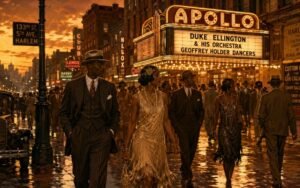
The nightlife of Harlem also influenced clothing choices. Jazz clubs, theaters, and dance halls became places where people displayed their finest outfits. Attending these venues was not only about entertainment—it was a social experience where fashion, music, and culture came together.
The Cotton Club and Savoy Ballroom became especially important spaces where style was showcased alongside performances.
A well-dressed individual represented confidence and achievement. Clothing allowed people to control how they were seen in a society that often attempted to limit their identity.
Through fashion, Harlem residents created a new visual language—one built around creativity, pride, and self-expression.
Characteristics of Harlem Renaissance Style
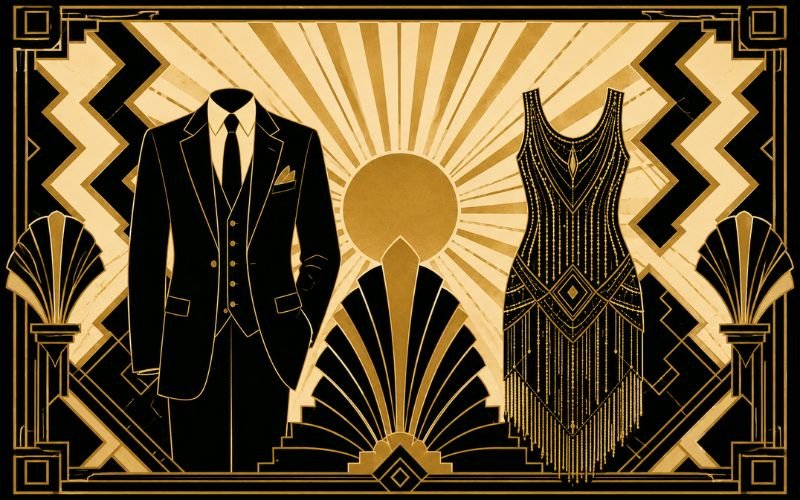
The beauty of Harlem Renaissance style came from its combination of sophistication, creativity, and cultural influence. The era produced fashion that was both visually striking and deeply meaningful.
Tailored Silhouettes
One of the strongest characteristics of Harlem Renaissance clothing was the importance of fit.
Men’s suits featured structured shoulders, carefully shaped jackets, and precise tailoring. Women’s dresses balanced comfort with elegance, allowing movement while maintaining a polished appearance.
Clothing was designed to make people feel confident.
Jazz Age Influence
Jazz shaped almost every aspect of Harlem culture, including fashion.
The energy of jazz performances influenced clothing designs that allowed movement and expression. Dresses flowed across dance floors, while men’s formalwear created a stylish presence in clubs and social gatherings.
Fashion and music became connected forms of creativity.
Art Deco Inspiration
The Art Deco movement influenced many aspects of Harlem Renaissance fashion.
Designers incorporated:
- Geometric patterns
- Metallic details
- Symmetrical designs
- Decorative beadwork
These elements created a modern, luxurious appearance that matched the optimism of the Jazz Age.
Luxury and Craftsmanship
Quality mattered during the Harlem Renaissance.
People invested in clothing made from durable, beautiful materials. Handmade details, custom tailoring, and carefully selected accessories showed attention to craftsmanship.
Fashion became a reflection of personal pride.
Harlem Renaissance Men’s Fashion
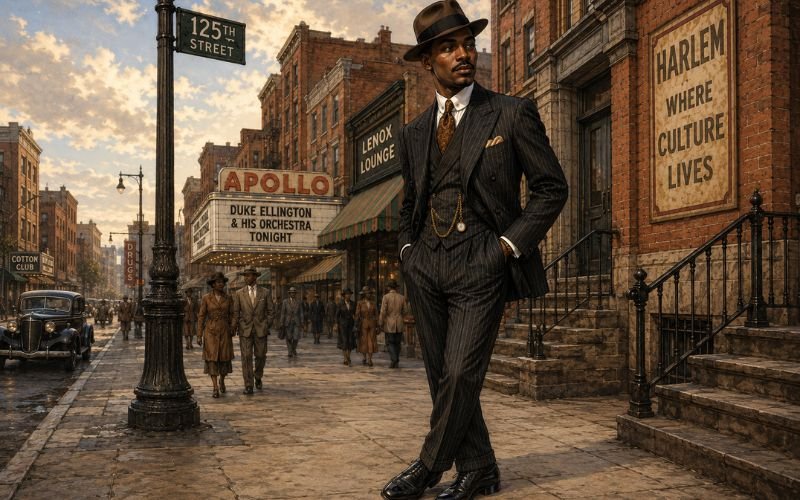
Harlem Renaissance men’s fashion represented confidence, professionalism, and individuality. Men used clothing to communicate success and create a strong personal image.
From musicians and writers to businessmen and professionals, fashionable men understood the importance of presentation.
The Rise of the Three-Piece Suit
The three-piece suit became one of the most recognizable styles of the era.
A typical outfit included a matching jacket, trousers, and waistcoat combined with a dress shirt and tie.
These suits were worn for:
- Business meetings
- Social events
- Church gatherings
- Evening entertainment
The structured design created a refined appearance and showed attention to detail.
Double-Breasted Jackets and Pinstripe Suits
Double-breasted jackets became popular because of their strong shape and confident appearance. Wide lapels, structured shoulders, and longer cuts created a powerful silhouette.
Pinstripe suits were another favorite among stylish men. Often made in dark shades such as charcoal, navy, and black, they created a sophisticated look suitable for both professional and social settings.
Formal Shoes and Tailored Details
Footwear was an important part of men’s fashion during the Harlem Renaissance.
Men commonly wore polished leather shoes, Oxford styles, and wingtip designs that complemented their formal clothing.
A fashionable outfit was completed through small details such as:
- Silk ties
- Pocket squares
- Cufflinks
- Tie clips
- Suspenders
These elements allowed men to personalize their appearance while maintaining a polished style.
Harlem Renaissance Women’s Fashion
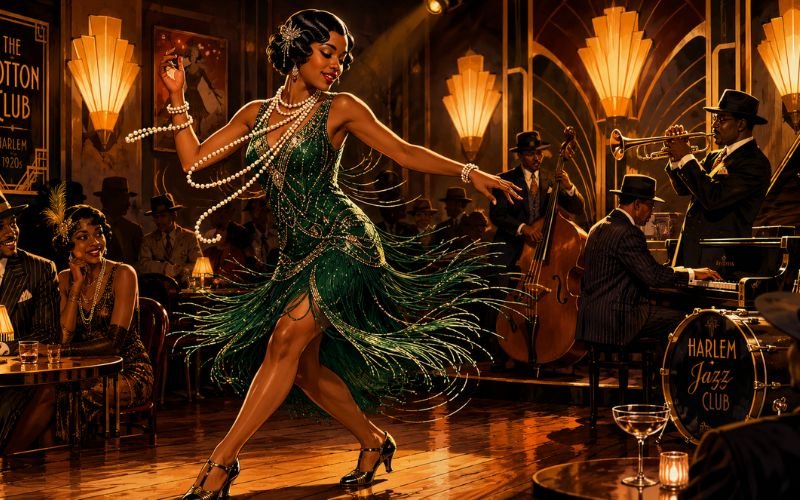
Women’s fashion during the Harlem Renaissance represented freedom, creativity, and changing ideas about femininity.
The period introduced styles that allowed women greater movement while celebrating glamour and individuality.
Women attending Harlem’s theaters, jazz clubs, and social gatherings used clothing as a way to express personality and confidence.
Flapper Dresses and the New Woman
The flapper dress became one of the most recognizable symbols of 1920s fashion.
Unlike earlier restrictive clothing styles, flapper dresses were designed for movement. Their loose shapes allowed women to dance comfortably while enjoying Harlem’s vibrant nightlife.
These dresses often featured:
- Fringe details
- Beaded decoration
- Sequins
- Straight silhouettes
- Shorter hemlines
The movement of these details created a dramatic effect under evening lights.
Evening Gowns and Social Fashion
For formal occasions, women often selected elegant gowns made from luxurious fabrics.
Silk, satin, velvet, and decorative embroidery created glamorous looks suitable for performances, parties, and important gatherings.
These gowns combined beauty with artistic creativity.
Everyday Women’s Style
Not every outfit was designed for evening events.
During daily activities, women wore stylish dresses made from comfortable materials such as cotton and linen. These outfits often included thoughtful details like:
- Pleated skirts
- Decorative collars
- Floral patterns
- Carefully fitted designs
Everyday clothing still maintained the elegance associated with Harlem Renaissance style.
Fabrics and Materials of Harlem Renaissance Fashion
The fabrics used during the Harlem Renaissance played a major role in creating the era’s distinctive appearance.
Silk dominated formal fashion because of its smooth texture and luxurious appearance. It was commonly used for evening gowns, scarves, blouses, and men’s accessories.
Satin offered a glossy finish that worked beautifully for dresses designed for dancing and special occasions. Velvet added richness and depth, making it a popular choice for jackets, coats, and winter clothing.
For men’s tailoring, wool provided the structure needed for sharp suits while remaining durable. Lighter materials such as linen and fine cotton allowed people to stay comfortable during warmer months without losing their sense of style.
Common materials included:
- Silk
- Satin
- Velvet
- Wool
- Linen
- Cotton
- Lace
These fabrics helped create the polished appearance that made Harlem Renaissance fashion memorable.
Colors That Defined Harlem Renaissance Fashion
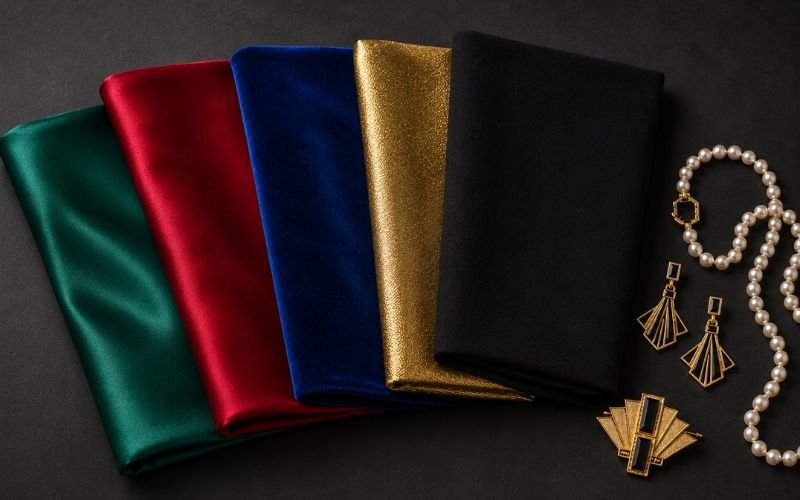
Color was one of the most powerful elements of Harlem Renaissance fashion. The clothing of this period was designed not only to look beautiful but also to communicate confidence, creativity, and individuality.
The Jazz Age encouraged experimentation, and Harlem’s fashion scene embraced rich tones, dramatic contrasts, and luxurious finishes.
Unlike earlier periods when clothing often followed strict social rules, Harlem Renaissance style allowed people to express personality through color choices.
Jewel Tones and Rich Shades
Deep jewel tones became closely associated with the glamour of the era.
Emerald green, ruby red, sapphire blue, and amethyst purple appeared in dresses, accessories, and eveningwear. These colors created a luxurious appearance and worked especially well with fabrics such as silk, satin, and velvet.
Gold and Metallic Accents
Gold represented celebration and luxury during the Harlem Renaissance.
Metallic details appeared in:
- Jewelry
- Embroidery
- Evening dresses
- Decorative accessories
The reflective quality of gold and silver fabrics made them especially popular in jazz clubs, where stage lighting enhanced their visual impact.
Black, Ivory, and Neutral Tones
Black remained a timeless choice because of its connection with sophistication and formal fashion.
Women often paired black dresses with pearls or metallic jewelry, while men wore dark suits with lighter shirts and accessories.
Ivory, cream, and beige tones created softer looks and were frequently used in formal clothing.
Burgundy and Navy
Burgundy offered a rich alternative to traditional red, while navy blue became a popular choice for men’s suits and formal coats.
These colors provided elegance without appearing overly dramatic.
Together, these shades helped create the recognizable visual identity of 1920s Harlem Renaissance fashion.
Harlem Renaissance Accessories: The Details That Completed the Look
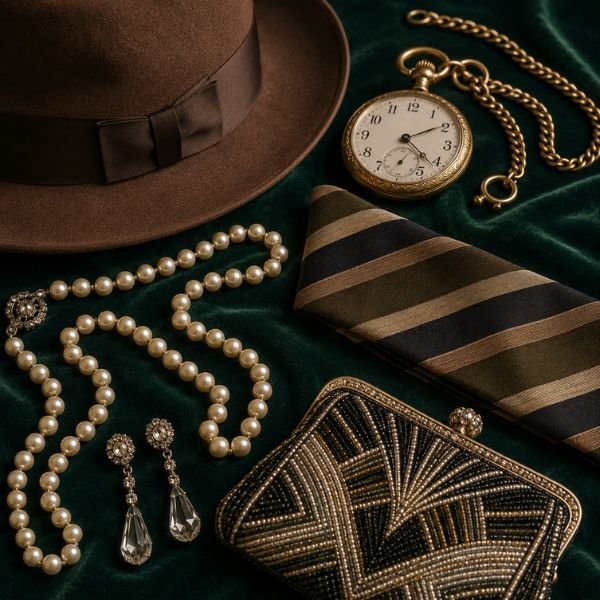
Accessories played a major role in defining personal style during the Harlem Renaissance. Clothing created the foundation of an outfit, but carefully chosen details revealed personality, social position, and creativity.
Fashionable men and women understood that the smallest elements could transform a simple outfit into a memorable appearance.
Men’s Accessories During the Harlem Renaissance
Men’s accessories during this era focused on refinement and individuality.
The fedora became one of the most recognizable pieces of Harlem Renaissance men’s fashion. Worn with tailored suits, overcoats, and formal evening clothing, the hat added character and helped create the confident silhouette associated with fashionable men of the period.
Silk ties provided another opportunity for self-expression. While classic colors remained popular, many men experimented with patterns, textured fabrics, and richer shades that complemented their suits.
Pocket squares, cufflinks, and tie clips added carefully considered finishing touches. These details showed that style was not only about expensive clothing but also about presentation and attention to craftsmanship.
Pocket watches were another important accessory. Beyond their practical purpose, they became symbols of professionalism and careful personal style. Leather gloves, polished shoes, and elegant suspenders completed the carefully constructed appearance of Harlem gentlemen.
Women’s Accessories During the Harlem Renaissance
Women’s accessories during the Harlem Renaissance emphasized glamour, creativity, and individuality.
Pearl necklaces became one of the most recognizable elements of 1920s women’s fashion. Long strands of pearls were often paired with flapper dresses, creating a dramatic look that moved beautifully during dancing.
Headbands, feather accessories, and jeweled hair pieces added decoration to popular hairstyles such as finger waves and bob cuts.
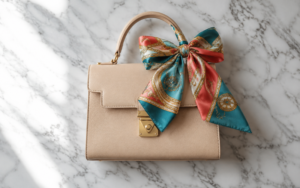
Handbags were also important fashion pieces. Small evening bags often featured:
- Beaded designs
- Embroidery
- Metallic details
- Decorative patterns
Art Deco influences were especially visible in jewelry. Geometric earrings, statement bracelets, and crystal designs reflected the modern artistic movement of the period.
These accessories allowed women to personalize their outfits and create distinctive fashion identities.
Hairstyles and Beauty Trends of the Harlem Renaissance
Fashion during the Harlem Renaissance extended beyond clothing. Hairstyles, makeup, and grooming became essential parts of self-expression.
Beauty trends reflected the changing attitudes of the Jazz Age, where individuality and confidence became increasingly celebrated.
Women’s Hairstyles
The finger wave became one of the most iconic hairstyles of the 1920s.
Created by sculpting waves close to the head, this style produced a polished and glamorous appearance that complemented evening dresses and formal fashion.
The bob haircut also became a symbol of modern femininity. By choosing shorter hairstyles, many women embraced changing social expectations and expressed independence.
Performers and fashionable women often enhanced their hairstyles with decorative elements such as:
- Jeweled clips
- Feather accessories
- Beaded headbands
- Decorative combs
These details transformed hairstyles into artistic expressions.
Men’s Grooming Styles
Men’s grooming during the Harlem Renaissance focused on neatness and precision.
Many fashionable men wore slicked-back hairstyles created with pomade, giving their appearance a clean and controlled finish.
Side-parted hairstyles were especially popular because they complemented formal suits and professional clothing.
Facial grooming was equally important. Some men maintained carefully shaped mustaches, while others preferred clean-shaven appearances.
A well-groomed appearance was considered an essential part of presenting confidence and respect.
Harlem Renaissance Fashion Icons Who Changed Style History
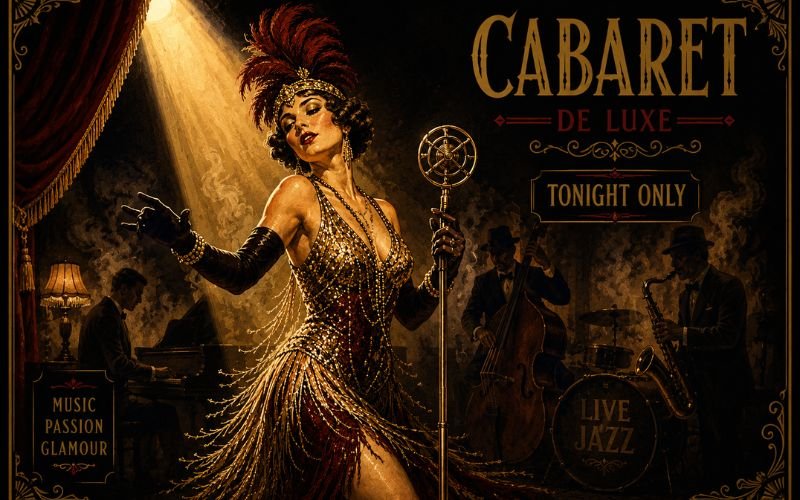
The Harlem Renaissance produced cultural figures whose influence reached far beyond their professions. Musicians, writers, and performers became style leaders whose clothing choices helped shape ideas about Black beauty, success, and creativity.
Their fashion choices showed that personal style could communicate identity just as powerfully as art.
Josephine Baker: The Global Face of Black Glamour
Josephine Baker became one of the most recognizable fashion figures of the Jazz Age.
Performing on Parisian stages far from Harlem, Baker turned her body and her wardrobe into a canvas for reinvention—proving that Black glamour could command the world’s most exclusive runways and theaters.
Her performances combined dance, personality, and dramatic fashion. Feathered costumes, sparkling sequins, and bold accessories became part of her unforgettable image.
Baker transformed clothing into performance art. Her style challenged traditional ideas of beauty and showed that fashion could be playful, powerful, and internationally influential.
Billie Holiday: Style Filled With Emotion
Billie Holiday became famous for her emotional voice and unforgettable stage presence.
Holiday’s onstage presence carried quiet contradiction—soft fabrics and gentle florals framing a voice that spoke of pain, strength, and survival in equal measure.
Her fashion choices often included elegant gowns, simple jewelry, and flowers placed in her hair.
Unlike performers who relied on dramatic costumes, Holiday’s style focused on emotional connection. Her appearance reflected sensitivity, confidence, and individuality.
Duke Ellington: When Music and Style Became One
Duke Ellington represented the sophistication of Harlem’s jazz culture.
As bandleader of the Cotton Club’s house orchestra, Ellington understood that sound and style were inseparable—his sharply tailored suits matched the precision of his compositions.
His carefully chosen formalwear included elegant suits, bow ties, polished shoes, and classic evening accessories.
Ellington demonstrated that musicians could influence fashion as much as they influenced music.
Langston Hughes: Intellectual Style and Cultural Confidence
Langston Hughes represented another important side of Harlem Renaissance style.
While performers dazzled under stage lights, Hughes proved that intellectual elegance needed no spectacle—his understated wardrobe reflected the quiet confidence of a writer reshaping American literature.
His simple but thoughtful style showed that fashion was not only about luxury. It was also about authenticity and personal identity.
The Zoot Suit and Harlem Renaissance Men’s Style
The zoot suit became one of the most recognizable examples of Black men’s fashion during the twentieth century.
Although it became widely associated with the 1940s, the style developed from earlier forms of creative dressing found within Harlem’s cultural environment.
The zoot suit challenged traditional ideas about men’s clothing through exaggerated proportions and dramatic shapes.
It featured:
- High-waisted trousers
- Wide-leg pants
- Long jackets
- Broad shoulders
- Large lapels
The oversized silhouette created a bold visual statement.
For many young Black men, wearing distinctive clothing represented independence and confidence. The zoot suit allowed individuals to stand out in a society that often attempted to restrict how Black communities were viewed.
Rather than simply following mainstream fashion rules, wearers created a style that reflected personality and cultural pride.
Flapper Fashion During the Harlem Renaissance
Flapper fashion became one of the defining symbols of the 1920s.
While the style appeared across America, Black women in Harlem adapted flapper trends through their own creativity and cultural expression.
The flapper dress represented movement and modernity. Compared with earlier women’s clothing, these dresses allowed greater freedom while maintaining glamour.
Common features included:
- Fringe decoration
- Beaded surfaces
- Sequins
- Loose silhouettes
- Shorter hemlines
The movement of fringe and beads created dramatic effects during dancing, making these dresses perfect for Harlem’s lively nightlife.
Women often paired flapper dresses with pearls, gloves, decorative shoes, and carefully styled hair.
The result was a look that combined independence, beauty, and confidence.
Fashion Inside Harlem’s Jazz Clubs
Jazz clubs became some of the most important places where Harlem Renaissance fashion was displayed.
Venues such as the Cotton Club and Savoy Ballroom were not only entertainment spaces—they were cultural meeting points where music, fashion, and social life connected.
A night out in Harlem often meant dressing carefully.
Men arrived wearing tailored suits, polished shoes, and stylish hats.
Women appeared in elegant dresses, jewelry, and carefully designed hairstyles.
The relationship between music and fashion was inseparable. The rhythm of jazz influenced movement, while clothing enhanced the visual experience of performances and dancing.
Harlem Renaissance Fashion Compared With Roaring Twenties Style
| Feature | Harlem Renaissance Fashion | General Roaring Twenties Fashion |
| Main Influence | Black creativity, jazz culture, identity | Social change and modern lifestyle |
| Men’s Style | Custom tailoring, statement suits | Traditional business clothing |
| Women’s Style | Glamorous dresses with cultural meaning | Flapper trends |
| Accessories | Hats, jewelry, watches, pearls | Art Deco accessories |
| Cultural Importance | Expression, pride, resistance | Freedom and social change |
Although both movements shared similar fashion trends, Harlem Renaissance style carried deeper cultural significance.
Modern Influence of Harlem Renaissance Fashion
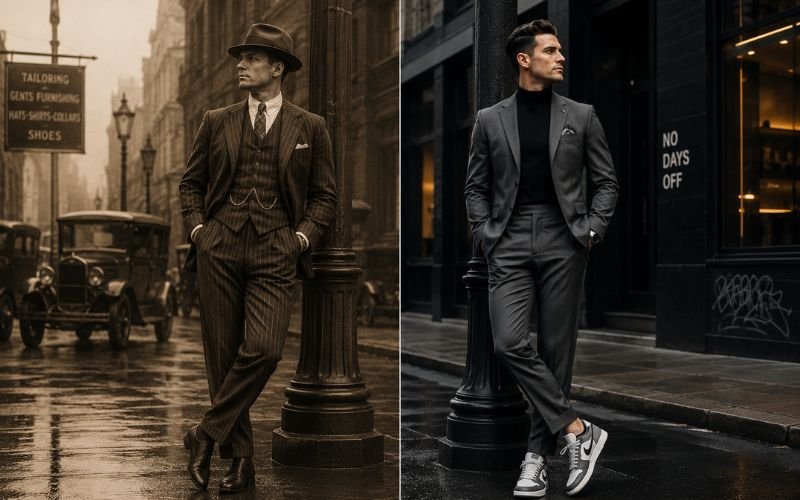
The influence of Harlem Renaissance fashion continues throughout modern style.
Today’s designers often borrow elements from the era, including:
- Structured tailoring
- Vintage silhouettes
- Art Deco-inspired patterns
- Statement accessories
- Elegant eveningwear
The influence can be seen in luxury fashion collections, celebrity styling, and contemporary streetwear.
Designers such as Dapper Dan helped continue the tradition of combining cultural identity with fashion innovation.
Harlem Renaissance style remains influential because it proves that clothing can preserve history while inspiring new generations.
How to Dress in Harlem Renaissance Style Today
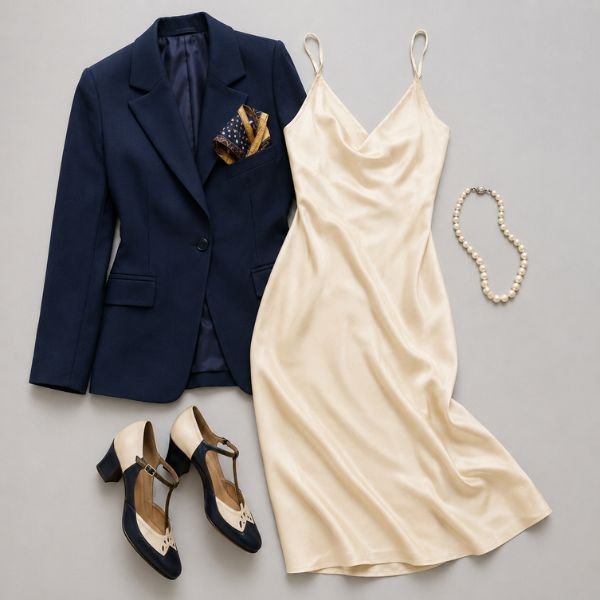
Modern fashion lovers can incorporate Harlem Renaissance inspiration without creating a costume.
For men, a contemporary interpretation might include:
- A tailored suit
- A classic dress shirt
- Leather shoes
- A vintage-inspired hat
- A pocket square
For women, modern Harlem-inspired outfits can include:
- Satin or silk dresses
- Pearl jewelry
- Art Deco accessories
- Vintage hairstyles
- Elegant heels
The goal is to capture the confidence and creativity of the era while adapting it for modern life.
Harlem Renaissance Images and Style Inspiration
Visual history plays an important role in understanding Harlem Renaissance images and pictures of the Harlem Renaissance.
Photographs from publications such as The Crisis and Opportunity magazine, along with archives from the Schomburg Center for Research in Black Culture, provide valuable examples of how people dressed during this period.
These images reveal much more than clothing. They show:
- Community celebrations
- Professional achievements
- Social gatherings
- Everyday fashion choices
From Sunday church clothing to glamorous Cotton Club evenings, photographs demonstrate how fashion helped people communicate identity and confidence.
When studying Harlem Renaissance images, it is important to look beyond individual garments and understand the stories behind the people wearing them.
Where to Explore Harlem Renaissance Fashion Further
For readers who want to explore the history and style of this era in greater depth, several resources provide valuable insight.
Fashion and Jazz by Alphonso McClendon
This book explores the relationship between jazz culture and clothing, showing how music and fashion developed together during the Harlem Renaissance.
Dandy Lion by Shantrelle P. Lewis
This visual collection celebrates Black men’s style and examines how clothing has been used as a form of identity and expression.
Schomburg Center for Research in Black Culture Archives
The Schomburg Center contains one of the most important collections of photographs, documents, and historical materials related to Harlem Renaissance culture.
Frequently Asked Questions
What is Harlem Renaissance fashion?
Harlem Renaissance fashion refers to the clothing, hairstyles, accessories, and beauty trends developed during the cultural movement of the 1920s and 1930s.
What did men wear during the Harlem Renaissance?
Men commonly wore tailored suits, fedora hats, silk ties, polished shoes, and formal accessories such as pocket watches.
What did women wear during the Harlem Renaissance?
Women wore flapper dresses, silk gowns, beaded clothing, pearls, gloves, and decorative accessories.
Why was fashion important during the Harlem Renaissance?
Fashion allowed Black Americans to express identity, confidence, achievement, and cultural pride.
What influenced Harlem Renaissance style?
Jazz culture, Art Deco design, social change, and Black creativity influenced the fashion of the era.
What hairstyles were popular during the Harlem Renaissance?
Popular hairstyles included finger waves, bob cuts, slicked-back hair, and decorative hair accessories.
How does Harlem Renaissance fashion influence today?
Modern designers continue to use Harlem-inspired tailoring, vintage silhouettes, and cultural influences in contemporary fashion.
Conclusion
Harlem Renaissance fashion was never simply about clothing. It was a movement built from creativity, confidence, and the desire for self-expression.
During a time when Black Americans faced discrimination and social limitations, fashion became a powerful way to communicate identity and achievement. Tailored suits, glamorous dresses, artistic accessories, and carefully styled appearances helped create a new image of Black excellence.
The influence of fashion during the Harlem Renaissance continues today because it represents something timeless: the ability of style to preserve history, celebrate culture, and inspire change.
Nearly a century later, Harlem’s tailors, milliners, and trendsetters remind us that style has always been more than surface—it is memory, resistance, and pride, stitched into every seam.