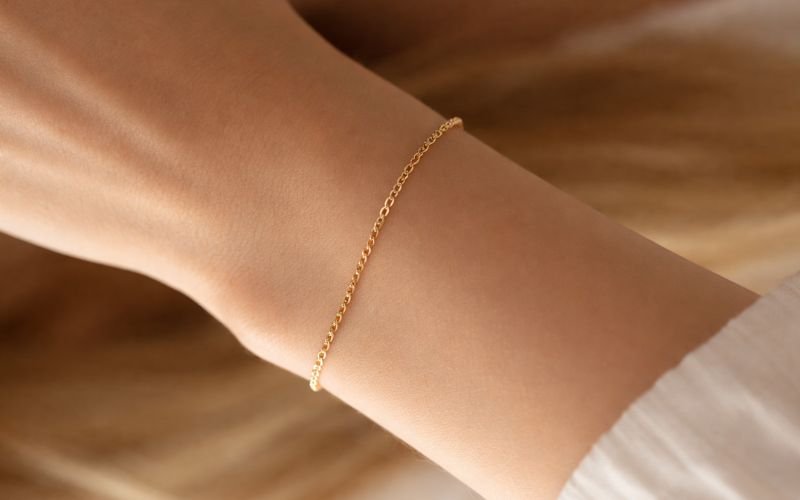
Permanent jewelry has taken the fashion world by storm, with celebrities like Hailey Bieber and top TikTok influencers showing off welded bracelets and necklaces that last a lifetime. Unlike traditional jewelry, which can be removed at any time, permanent pieces are designed to stay with you—soldered or welded directly onto your skin. This trend not only adds a chic, stylish touch but also carries sentimental value, making it perfect for commemorating milestones, friendships, or personal achievements.
In this ultimate guide to permanent jewelry, we’ll cover everything you need to know—from different types and materials to cost considerations and care tips. Whether you’re thinking about getting your first permanent bracelet, necklace, or anklet, or simply curious about the process, this article will give you the insights and guidance to make an informed decision. By the end, you’ll understand why permanent jewelry has captured the hearts of fashion enthusiasts and trendsetters worldwide.
What is Permanent Jewelry?
Permanent jewelry refers to pieces designed to remain on the body indefinitely. Unlike traditional jewelry with clasps or fasteners, permanent jewelry is attached using a professional welding or soldering process. This unique method combines fashion, personalization, and permanence.
Definition of Permanent Jewelry
Permanent jewelry is intentionally made to stay on the wearer’s body without the need for removal. The most common types include permanent bracelets, necklaces, and anklets. These pieces can be customized with charms, engravings, and various metals, making them highly personal and meaningful.
Difference Between Permanent and Traditional Jewelry
- Traditional Jewelry: Easily removable, usually relies on clasps or fasteners.
- Permanent Jewelry: Soldered or welded to form a continuous loop that can only be removed by cutting.
This difference adds emotional significance, often symbolizing lasting bonds, special moments, or self-expression.
History and Popularity
Permanent jewelry started gaining attention in the early 2010s and has become particularly popular among millennials and Gen Z. Social media platforms like Instagram and TikTok have helped fuel its growth, with influencers showcasing permanent bracelets and necklaces as symbols of friendship, love, or self-expression. Its appeal also aligns with minimalistic design trends and the desire for meaningful, lasting accessories.
Did You Know?
Permanent jewelry started gaining popularity in the early 2010s and is now a favorite among fashion-forward millennials and Gen Z.
Types of Permanent Jewelry
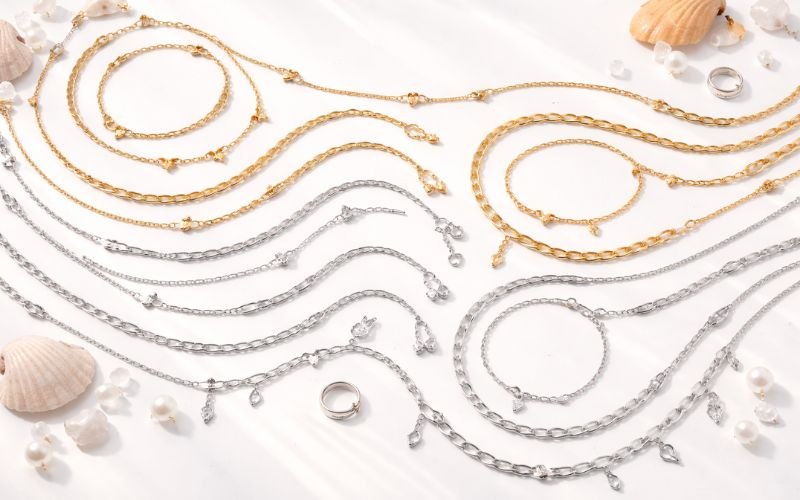
Permanent jewelry comes in various styles, each catering to different tastes, occasions, and fashion trends. Adding visual examples and understanding the trends for each type can help you choose the perfect piece.
Permanent Bracelets: Best Designs and Styles
Permanent bracelets are the most popular form of permanent jewelry. They range from delicate chains to bold statement pieces and often carry personal significance.
Trends and Examples:
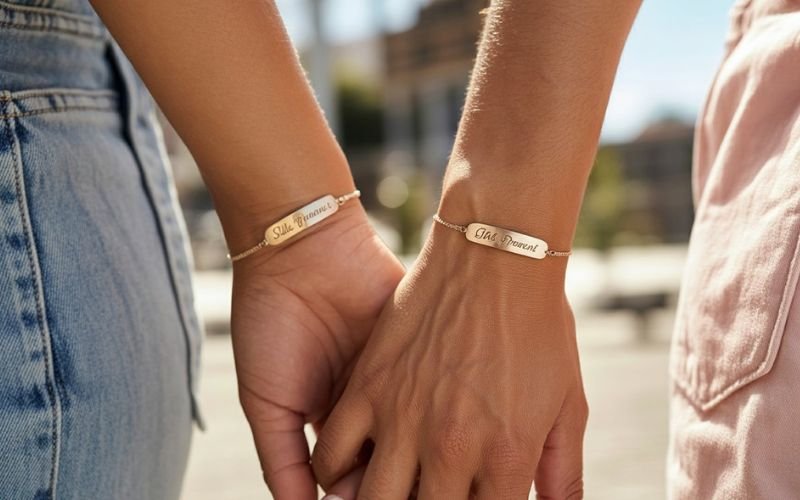
- Friendship Bracelets: Matching bracelets for friends, often engraved with initials or meaningful dates.
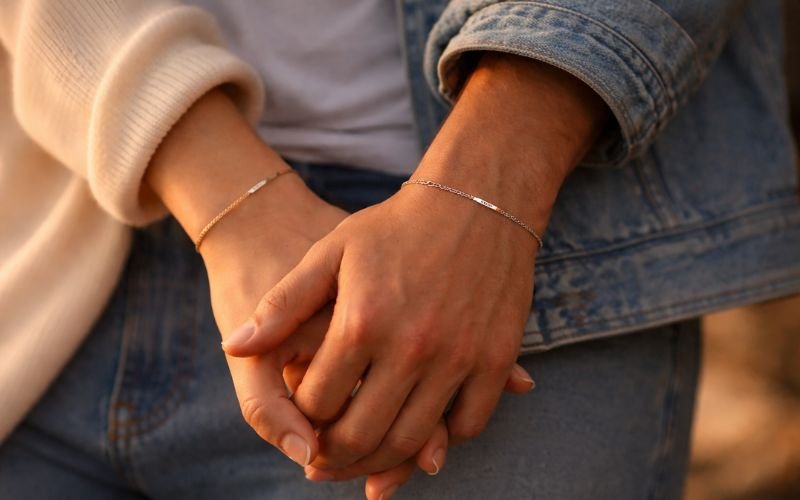
- Couple Bracelets: Minimalist designs for couples, symbolizing commitment or shared milestones.
- Engraved Bracelets: Names, dates, or short messages engraved directly on the chain.
- Layered Looks: Stack multiple thin permanent bracelets for a fashionable layered effect.
Permanent Necklaces: Layering and Pendant Trends
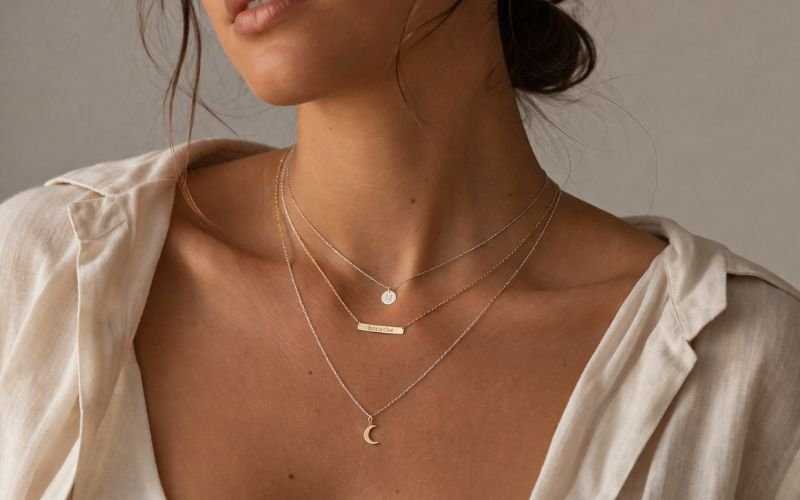
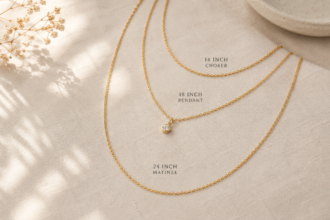
Permanent necklaces offer subtle elegance and can be styled alone or layered with other necklaces for a modern, chic look.
Trends and Examples:
- Layering Trend: Combine multiple thin chains of varying lengths for a stylish effect.
- Popular Pendant Styles: Small symbols, initials, hearts, stars, or minimalist geometric shapes.
- Minimal Everyday Wear: Lightweight chains that can be worn daily without hassle.
Permanent Anklets and Other Styles: Summer and Casual Fashion
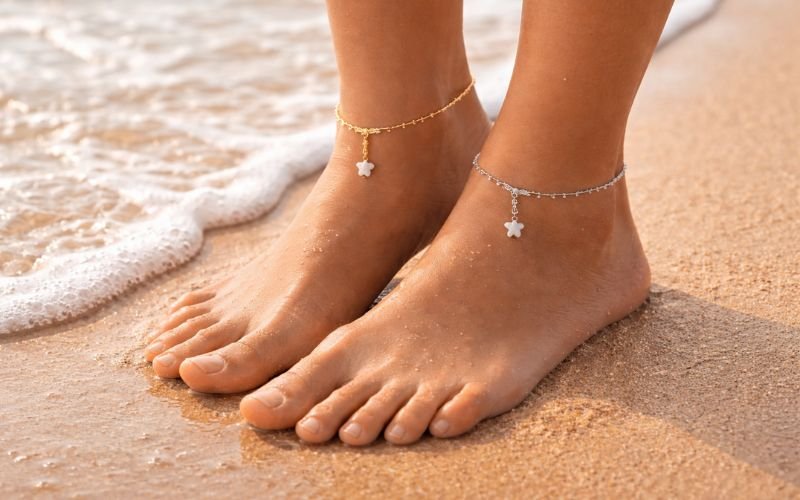
Permanent anklets are emerging as a trendy choice, especially for summer festivals or casual outfits.
Trends and Examples:
- Casual Summer Anklets: Delicate chains or charm anklets perfect for sandals or beachwear.
- Statement Anklets: Bolder designs that stand out in casual fashion.
- Other Styles: Custom toe chains or rings, though less common, are also available for a unique look.
How Permanent Jewelry is Made
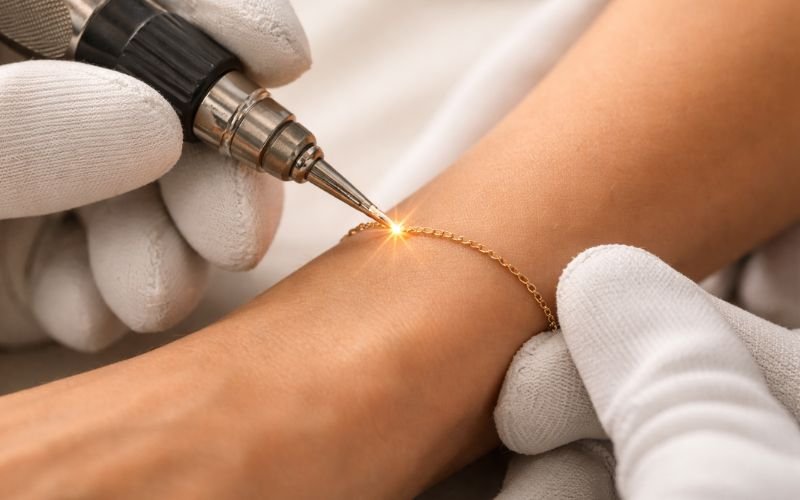
Understanding how permanent jewelry is installed is key to appreciating its craftsmanship and ensuring safety. Permanent jewelry, including welded bracelets, necklaces, and anklets, requires precise work that should always be done by a trained professional.
Step-by-Step Process
1. Accurate Measurements
Before installation, the jeweler measures your wrist, neck, or ankle precisely to ensure a perfect fit. Accurate measurements prevent discomfort or the need for future adjustments.
2. Customization
Choose charms, pendants, or engravings to personalize your piece. This step allows your permanent jewelry to carry personal meaning while maintaining a seamless look.
3. Welding or Soldering
A professional uses specialized tools, such as a micro-pulse welder or laser soldering equipment, to fuse the ends of the chain permanently. This creates a clasp-free design that sits flush against the skin. Short GIFs or diagrams showing welding or soldering can help illustrate the process visually.
4. Post-Installation Check & Care
After welding, the jeweler inspects the join to ensure it is secure and polished. They also provide care instructions to maintain the jewelry’s durability and shine.
Materials Used
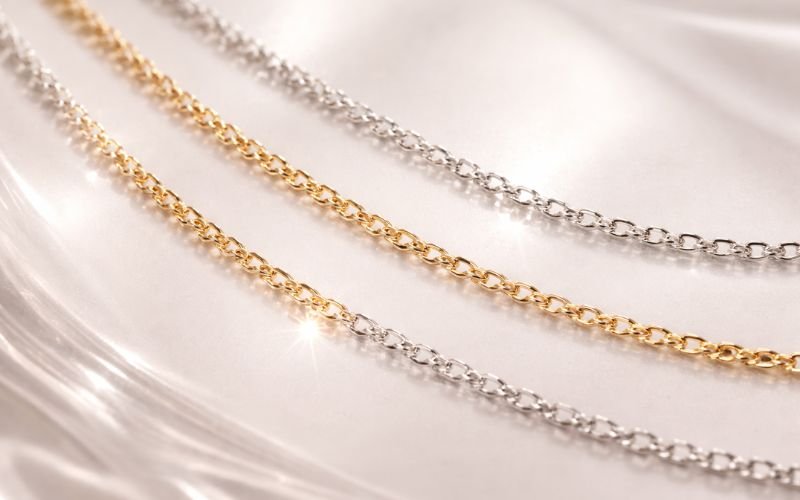
Permanent jewelry is usually crafted from high-quality metals such as gold (14k, 18k), silver, platinum, or stainless steel. The choice of metal affects durability, cost, and overall style. Lab-grown diamonds or gemstones may also be added for extra elegance.
Safety and Professional Guidelines
DIY installation of permanent jewelry is highly discouraged. Attempting to weld or solder at home can result in injury or damage to the jewelry. Always have your piece applied by a trained professional who follows proper sterilization and safety protocols. This ensures both comfort and long-term wearability.
Including diagrams, short GIFs, or videos of professional installation can make the process more engaging and help readers understand why expert handling is essential.
Pros and Cons of Permanent Jewelry: What You Should Know
Permanent jewelry offers unique benefits but also comes with some considerations. Here’s a quick overview to help you decide if it’s right for you:
| Pros | Cons |
| Stylish and Trendy – Perfect for everyday wear and minimalistic fashion. Example: A sleek gold bracelet that complements all outfits. | Not Easily Removable – Removal requires cutting, often by a jeweler. Example: Cutting off a bracelet may damage delicate chains. |
| Sentimental Value – Ideal for marking anniversaries, friendships, or personal milestones. Example: Matching bracelets for best friends or couples. | Cost Considerations – Higher price due to quality metals and professional welding. Example: Solid gold pieces may cost more than traditional jewelry. |
| Low Maintenance – Once fitted, it requires minimal adjustments and care. | Potential Skin Sensitivity – Improper fitting or unsuitable metals can irritate skin. Example: Nickel alloys may cause rashes for sensitive skin. |
| Continuous Wear Convenience – Always in place, no need to remove daily. Example: Showering, sleeping, or working out without taking it off. | Style Commitment – Permanent design may not suit people who frequently change jewelry styles. |
How to Choose the Right Permanent Jewelry
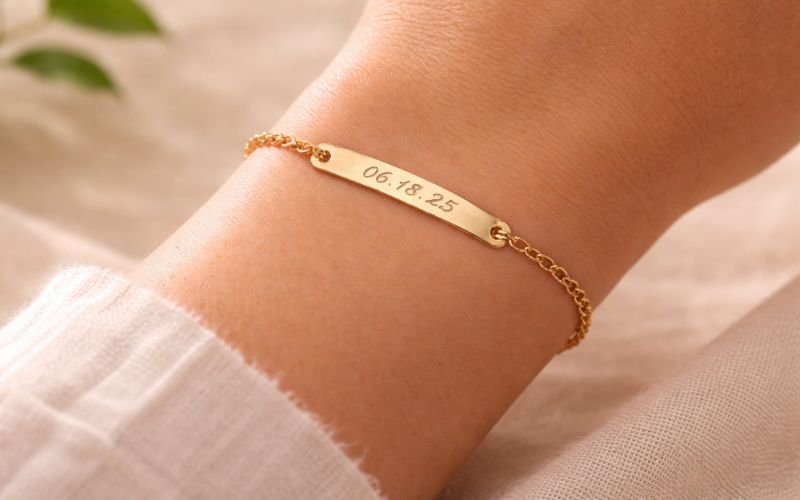
Choosing the perfect permanent jewelry piece involves careful consideration of your personal style, lifestyle, and material preferences. This ensures not only a beautiful look but also long-term comfort and safety.
Consider Your Lifestyle
Your daily activities play a big role in choosing permanent jewelry. Active individuals or those who frequently use their hands may prefer simpler, sturdier designs to prevent interference during workouts, office tasks, or other routines. Minimalist and durable styles are ideal for everyday wear.
Metal and Style Selection
The choice of metal affects both appearance and durability. Common options include:
- Gold (14k or 18k): Classic, durable, and suitable for most skin types.
- Platinum: Extremely durable and hypoallergenic, ideal for sensitive skin.
- Sterling Silver: Affordable and stylish but may require occasional polishing.
When choosing permanent jewelry, consider skin allergies and opt for hypoallergenic metals like platinum or high-quality gold if you have sensitive skin. This prevents irritation and ensures long-term comfort.
Sizing and Fit
Accurate measurements are crucial for a comfortable and long-lasting piece. Permanent bracelets, necklaces, or anklets must fit perfectly before welding. Professional jewelers can custom-fit your piece to your wrist, neck, or ankle, ensuring it sits seamlessly against your skin.
Where to Buy or Get Installed
Always purchase permanent jewelry from certified jewelers with experience in permanent fittings. Look for trusted shops, social media-reviewed professionals, or well-known jewelry studios to ensure safety and quality. Avoid unverified sellers, as improper installation can damage both the piece and your skin.
Cost of Permanent Jewelry
The cost of permanent jewelry varies depending on the metal used, level of customization, and professional services. Understanding these factors can help you choose the perfect piece while staying within budget.
Price Ranges for Different Metals
| Metal | Typical Price Range | Pros | Best For |
| Gold (10k–18k) | $150–$500+ | Durable, classic, long-lasting | Everyday bracelets, necklaces, anklets |
| Silver (Sterling 925) | $50–$200 | Affordable, lightweight | Minimalist or trendy permanent pieces |
| Platinum | $400–$1,000+ | Extremely durable, hypoallergenic | Premium or statement pieces |
Customization and Hidden Costs
Adding engraving, charms, or unique design elements can increase the price by $20–$100+, depending on complexity. Some jewelers may charge extra for lab-grown diamonds, special chain styles, or custom fittings. Always clarify these costs upfront to avoid surprises.
Cost of Permanent Bracelets vs Other Pieces
- Permanent bracelets: Most common, moderately priced, ideal for daily wear.
- Permanent necklaces: Slightly higher due to longer chains and additional welding time.
- Permanent anklets: Often similar in price to bracelets but may have fewer customization options.
Long-Term Value
While the initial investment may seem high, permanent jewelry is a long-term commitment. High-quality metals like gold or platinum ensure durability, while sentimental or symbolic value adds emotional worth that lasts for years.
By understanding the cost breakdown and potential hidden fees, you can make a well-informed decision and get permanent jewelry that fits both your style and budget.
How to Care for Permanent Jewelry
Proper care ensures your permanent jewelry maintains its shine, durability, and elegance for years. Here’s a complete guide to keeping your pieces in top condition.
Daily Maintenance Tips
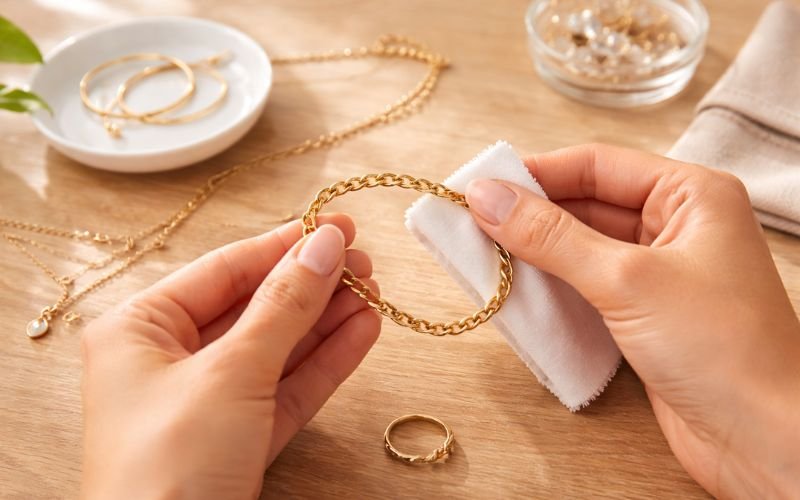
- Gentle Cleaning: Wipe your jewelry daily with a soft microfiber or jewelry polishing cloth to remove oils, sweat, and dirt.
- Avoid Harsh Chemicals: Keep jewelry away from bleach, acetone, perfumes, and hair sprays that can tarnish or damage metals and stones.
- Water Exposure: Solid gold, platinum, and high-quality silver can handle occasional showers, but rinse and dry your jewelry after swimming in chlorinated pools or saltwater.
- Activity Awareness: Remove jewelry during heavy workouts or manual labor to prevent bending, snagging, or breaking delicate chains.
Professional Checkups
- Polishing and Inspection: Schedule a professional jeweler visit once or twice a year to polish the piece, check welds, and ensure settings are secure.
- Repair or Rewelding: Minor chain damage or loosening can be repaired quickly by a professional to restore your jewelry’s seamless appearance.
Longevity and Durability Tips
- Choose High-Quality Metals: Solid 14k/18k gold, platinum, or sterling silver last longer and resist tarnish. Avoid gold-plated or low-quality metals for permanent wear.
- Safe Storage: When not worn for extended periods, store jewelry in a soft pouch or lined jewelry box to avoid scratches.
- Prevent Wear from Sweat/Dirt: Wipe jewelry after intense activity to remove sweat and dirt buildup.
By following these daily, professional, and longevity-focused care practices, your permanent jewelry will stay beautiful, functional, and meaningful for many years.
FAQs About Permanent Jewelry
What is the difference between permanent and regular jewelry?
Permanent jewelry is welded or soldered directly onto the wearer, creating a seamless piece, while traditional jewelry has clasps or closures and can be removed at any time.
Can permanent jewelry be removed?
Yes, permanent jewelry can be removed, but it requires cutting by a professional jeweler to safely detach it.
Does permanent jewelry hurt to get?
The process is typically painless. Most people feel little to no discomfort during the welding or soldering.
How long does permanent jewelry last?
With proper care, permanent jewelry can last many years and even decades, especially when made from solid gold, platinum, or high-quality metals.
Is permanent jewelry safe for sensitive skin?
Yes, if made from hypoallergenic metals such as solid gold, platinum, or sterling silver, it is generally safe for sensitive skin.
Can permanent jewelry get wet?
Yes, permanent jewelry made from high-quality metals is water-resistant. You can shower, swim, or exercise with it, though rinsing after exposure to saltwater or chlorine is recommended.
Does permanent jewelry tarnish?
High-quality metals like solid gold, platinum, and stainless steel are resistant to tarnishing. Lower-quality metals may discolor over time.
How to remove permanent jewelry safely?
Permanent jewelry should be removed by a professional jeweler using small scissors, wire cutters, or specialized tools. Avoid attempting removal at home without care to prevent damage.
Conclusion
Permanent jewelry beautifully blends style, sentiment, and individuality, making each piece a meaningful accessory. From bracelets and necklaces to anklets, these pieces offer lasting value and personal significance. By understanding the types, process, care, and cost, you can choose jewelry that fits both your lifestyle and personal expression. Celebrate special moments, mark milestones, or elevate your everyday style—permanent jewelry is more than a trend; it’s a lasting symbol. Explore certified jewelers near you and discover trending permanent bracelets today to find the perfect piece for you.